Online orders become harmful when they compete invisibly with seated guests for the same cooks, pass counter and service attention. This is particularly noticeable during weekday lunches in HITEC City and Financial District, or weekend evenings in Jubilee Hills and Banjara Hills. The answer is not to switch aggregators off indiscriminately. Outlets need clear capacity limits, a separate dispatch path and menu rules that protect dine-in ticket times while keeping worthwhile delivery sales available.
Set Capacity Before Accepting Orders
Do not let aggregator demand decide the kitchen workload. Establish the maximum number of delivery tickets each station can handle in a 15-minute window while maintaining the outlet’s dine-in target. Base this on observed production times, not the number of orders accepted on a quiet Tuesday. Managers should review the live kitchen queue before extending preparation times, pausing a platform or removing labour-intensive items. The decision must happen before delayed orders accumulate, because riders arriving together can obstruct both the pass and entrance.
- Define a 15-minute delivery ticket limit
- Pause before dine-in times deteriorate
- Extend preparation time only when realistic
- Record who can change platform availability
Build a Separate Dispatch Route
A delivery rider should not need to stand beside seated guests, the billing counter or the main food pass. In compact Madhapur and Kondapur outlets, even a small marked shelf near a secondary entrance can prevent repeated interruptions. Assign one employee to verify the order number, packaging and platform status before handover. During busy periods, servers should never leave tables to search for delivery bags; responsibility must remain with the cashier, expediter or designated dispatch runner.
Trim the Delivery Menu
The aggregator menu does not need to mirror the dine-in menu. Remove dishes that lose texture in transit, occupy a critical station for too long or require several last-minute accompaniments. For outlets serving Gachibowli and Nanakramguda, test packaging over the actual expected journey rather than inside the kitchen. Keep modifiers controlled: unrestricted additions create packing errors and slow production. Bundles can work well, but only when components share preparation steps and the packaging team can identify them without reopening containers.
- Keep travel-stable dishes online
- Limit complex customisation options
- Use distinct labels for similar items
- Test food after a realistic journey
Measure Contribution, Not App Revenue
Aggregator sales should be reviewed after commission, discounts funded by the outlet, packaging, food cost, refunds and incremental labour. A ₹400 order is not worth ₹400 to the business. Calculate contribution by item and platform using the commercial terms on the current statement rather than assumptions. If a popular delivery item creates low contribution and delays higher-value dine-in tables, reprice it, simplify it or remove it from peak availability. Advertising spend should also be linked to profitable order periods, not gross order counts alone.
Run Peak Hours by Written Rules
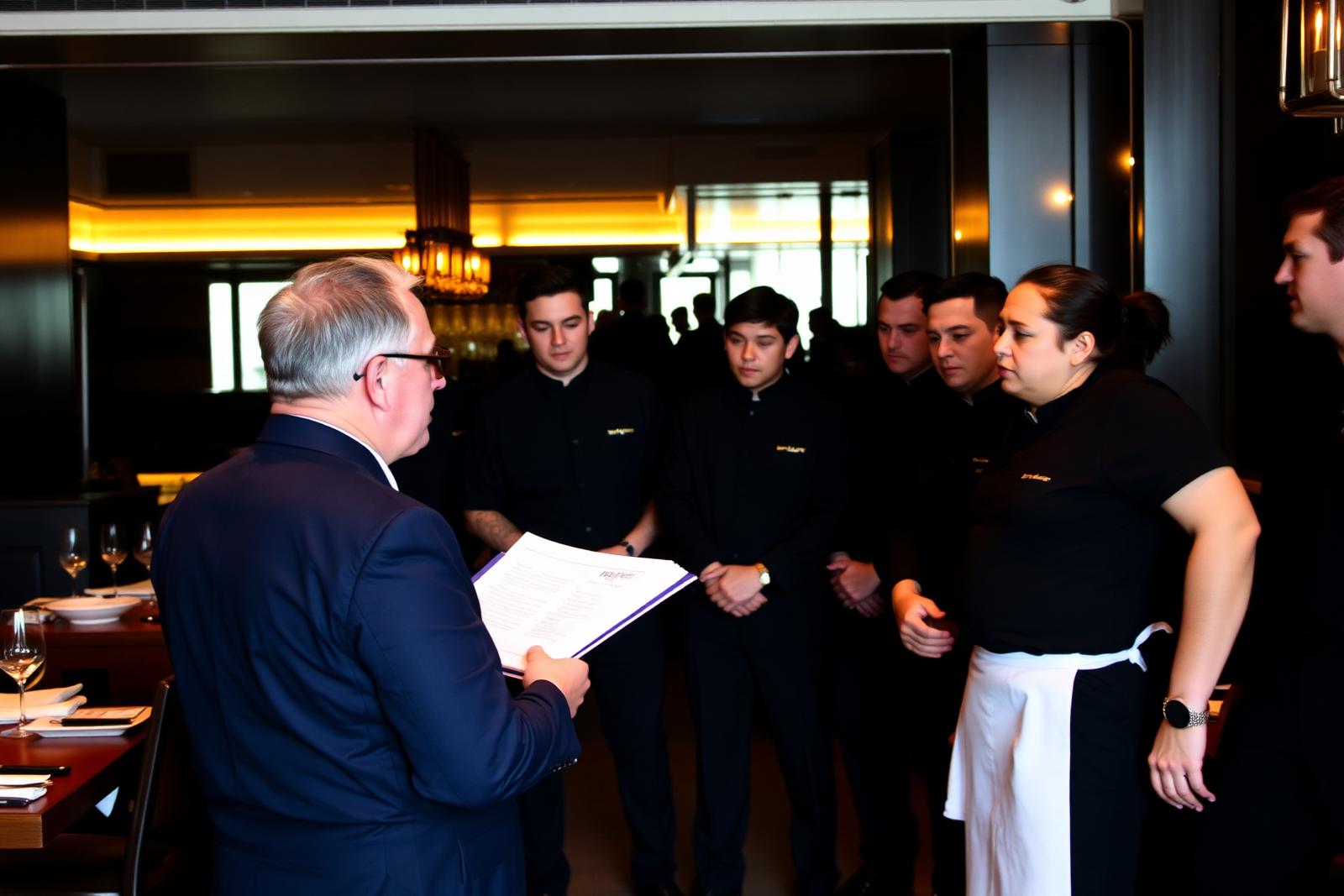
Create a one-page peak-hour plan covering platform controls, queue thresholds, rider handling and escalation. The floor manager should know when dine-in service takes priority, while the kitchen lead should have authority to reduce online availability without waiting for an owner’s approval. After each weekend, compare promised and actual preparation times, cancellations, refunds, missing-item complaints and dine-in ticket times. Patterns matter more than isolated reviews: repeated delays at the same hour usually indicate a capacity or menu-design problem, not individual staff carelessness.
Key takeaway
Give delivery orders a defined capacity, menu and dispatch route instead of allowing them to merge with dine-in service. Review contribution and queue data weekly, then restrict the items or periods that repeatedly disrupt seated guests.
Need this handled?
Get single-window support for your outlet
Staffing, setup, procurement and operations — coordinated by one Hyderabad team.