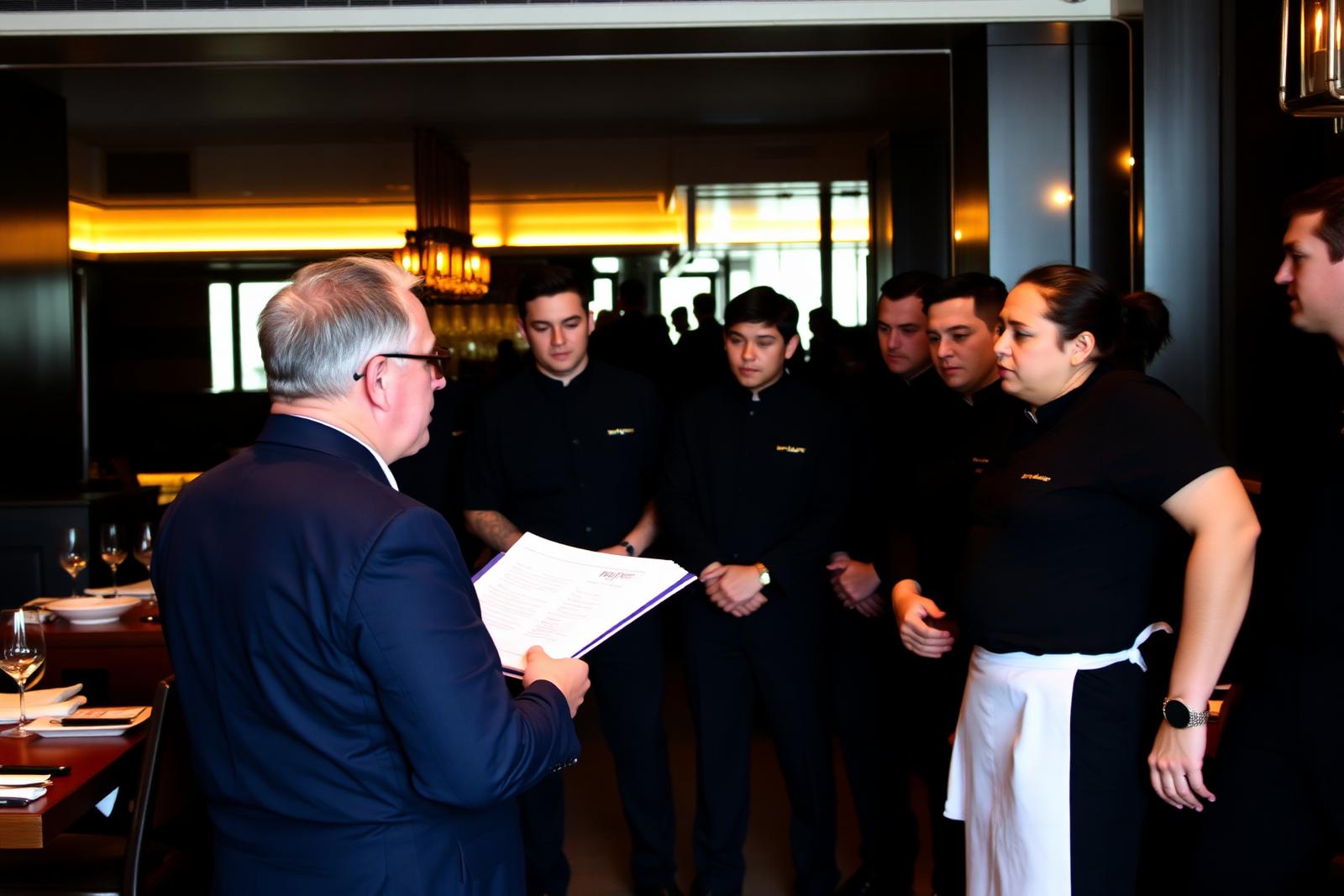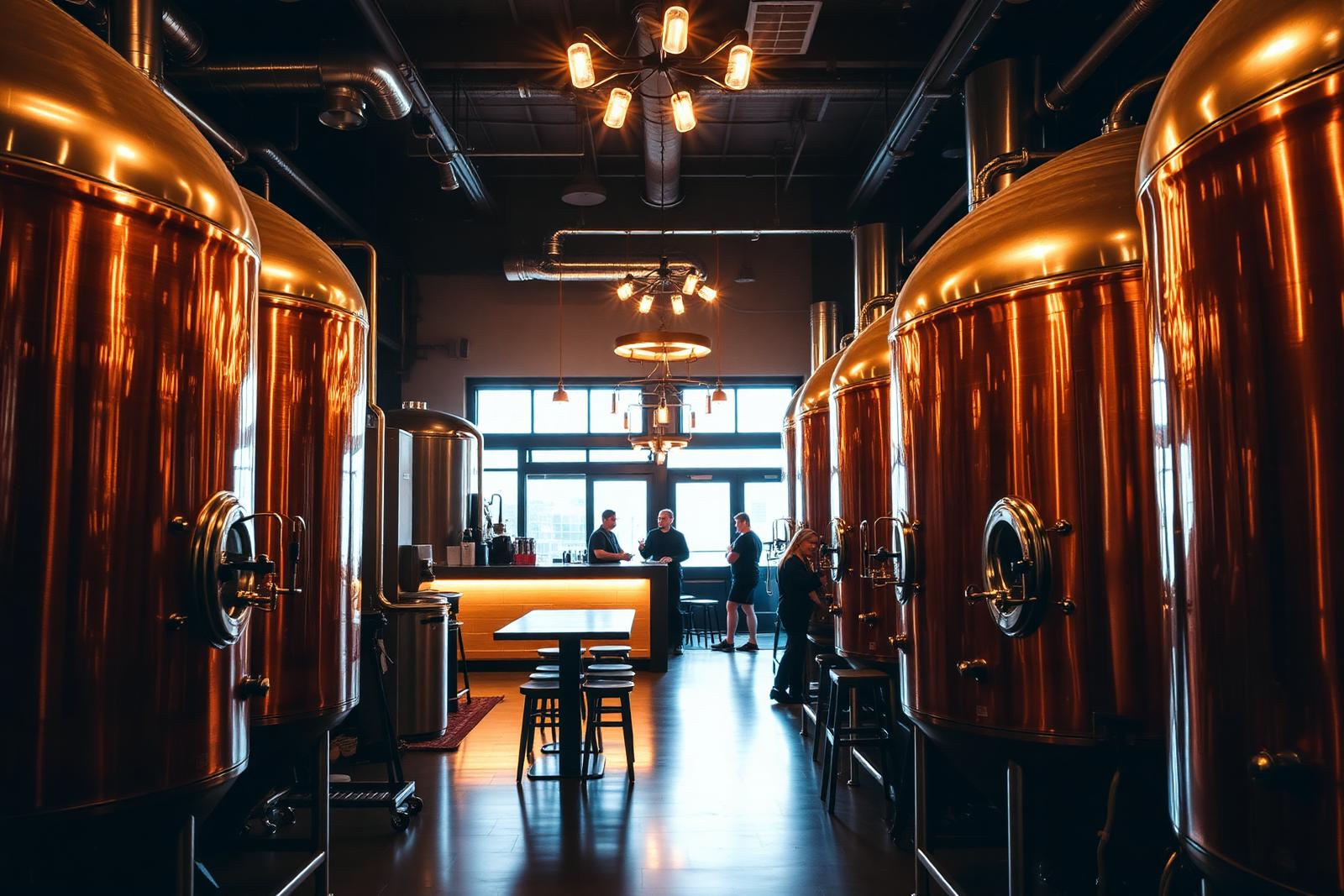
A higher taproom bill should come from a better visit, not aggressive upselling. Guests order another beer or add food when service removes uncertainty, maintains the right pace and makes choices easier. For breweries in Jubilee Hills, Madhapur, Gachibowli and the Financial District, the opportunity often lies between the first sample and the second order. Clear service checkpoints can turn beer interest into a well-guided meal while protecting responsible-service standards.
Start With Purpose, Not Beer Names
The first conversation should identify what brought the table in. A steward can ask whether guests want to explore beer, settle in for dinner or have one quick round before another engagement. This is more useful than immediately reciting every tap. It also helps the team distinguish a group of enthusiasts from office colleagues in HITEC City who may need quick recommendations and prompt food service.
Train staff to ask one preference question: light or full-bodied, crisp or fruity, familiar or experimental. The answer should lead to no more than two recommendations, each explained in plain language. Technical brewing terms can follow if the guest shows interest. A short, confident recommendation reduces indecision and creates a natural opening for a tasting portion, flight or suitable first pour.
Make Flights Lead Somewhere
A tasting flight must be treated as a decision tool rather than a low-value final order. When placing it, the steward should explain the tasting sequence and agree to return after guests have tried each beer. The follow-up question should be specific: which pour would they prefer as a full serve? Without that checkpoint, empty tasting glasses can remain on the table while guests drift towards conversation instead of ordering.
Build flight pricing from the actual volume, production cost and service effort. For example, if four 100 ml tasters sell for ₹450, the team should know which full serve logically follows and how its price compares. The objective is not to push the strongest or most expensive beer. It is to help the guest convert a preference into a satisfying next order before the flight loses momentum.
- Present samples in tasting order
- Name each beer at placement
- Return after the final sample
- Recommend one full serve
- Clear the flight promptly
Pair Food at Two Moments
Food recommendations work best at two points: during the first beer decision and before the second round. At the first point, suggest quick dishes that can arrive while guests are tasting. At the second, offer a more substantial plate based on the beer they selected. A table that declined dinner initially may accept food later once the group decides to remain, particularly during long evening visits in Kondapur or Nanakramguda.
Pairing language should describe a practical benefit rather than claim expert authority. Say that a crisp lager cuts through fried food, or that a malt-forward beer suits a smoky kebab. Give one vegetarian and one non-vegetarian option where appropriate. Staff should also know preparation times and unavailable items before making suggestions. A pairing that arrives after the drinks are finished damages confidence and can prevent another round.
Use Refill Windows, Not Constant Interruptions
Set a visual refill standard for each glass style. The steward should check back when roughly one quarter remains, allowing time to discuss the next choice before the glass is empty. This is a service window, not an instruction to sell alcohol. If the guest declines, acknowledge it and step away. Water should be replenished throughout, and visibly affected guests must not be encouraged to order further alcohol.
Managers should review bills by service sequence rather than only by total value. Look for tables where flights had no follow-up, second beers were ordered long after glasses emptied, or food appeared without an earlier pairing prompt. Compare these gaps by station and shift. The coaching question is whether the server offered the right choice at the right moment, not whether every table reached an arbitrary rupee target.
- First preference question recorded
- Flight follow-up completed
- Food prompt timed correctly
- Water maintained throughout
- Responsible-service refusal followed
Align Billing With the Experience
Billing errors can undo careful service. Beer names, serving sizes and flight components must match the menu and point-of-sale system exactly. Staff should confirm whether a guest wants another round before raising the bill, but never delay a requested bill to create an extra sale. In busy Banjara Hills or Jubilee Hills taprooms, assign one person per section to verify open tables, pending orders and payment status before shift handover.
Track a few operational measures each week: flights converted to full serves, food added after the first round, voids, delayed orders and responsible-service interventions. Do not reward staff only for alcohol sales, as that encourages poor judgement. Review complete guest journeys instead. A well-run taproom raises average bills by helping suitable tables discover more of the menu while giving every guest an easy, respectful way to stop.
Key takeaway
Train the team around four checkpoints: preference discovery, flight follow-up, timely food pairing and the refill window. Review service sequences weekly, while keeping water, guest choice and responsible alcohol service non-negotiable.
Need this handled?
Get single-window support for your outlet
Staffing, setup, procurement and operations — coordinated by one Hyderabad team.