Complimentary samples can either guide a confident purchase or become an uncontrolled giveaway. The difference is a clear service standard. In Hyderabad taprooms, where groups often include experienced beer drinkers, first-time guests and non-beer drinkers, staff must quickly identify preferences, present a limited tasting choice and convert it into an appropriate full pour, flight or food pairing. Done properly, tasting improves hospitality while creating a natural route to a higher average bill.
Diagnose taste before offering samples
A server should not begin by listing every beer on tap. Use three short questions: whether the guest prefers light or full-bodied drinks, crisp or malt-led flavours, and familiar or experimental styles. The answers should lead to two recommendations, not an open-ended tasting session. In busy Jubilee Hills or HITEC City taprooms, this keeps the interaction useful without occupying the server or delaying the table’s first paid order.
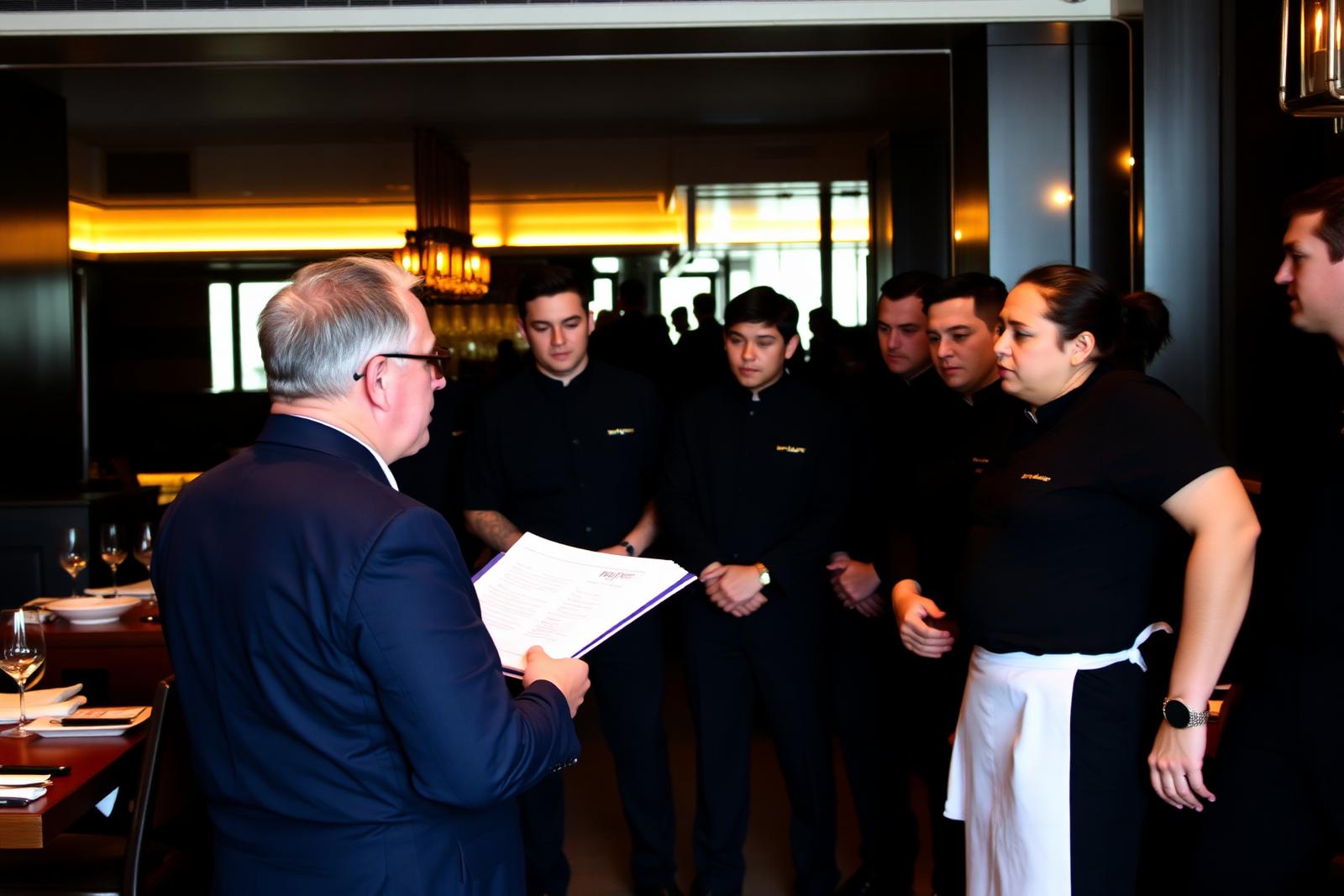
Record each beer on the menu with three staff-facing descriptors: body, dominant flavour and finish. “Medium body, roasted malt, dry finish” is easier to use than technical brewing language alone. Include one familiar comparison where appropriate, but never promise that a craft beer will taste exactly like a commercial lager or another beverage. Pre-shift tastings should train staff to describe what is currently pouring, including batch variations and temporarily unavailable taps.
Control the tasting sequence
Samples should be measured, limited and served in a deliberate order. Start with the lighter or cleaner beer, then move towards greater bitterness, roast, sweetness or alcohol intensity. Presenting several unlabelled glasses at once encourages confusion and repeat requests. The server should name each sample, give one concise descriptor and ask for a preference immediately after tasting. That response must lead directly to a clear paid recommendation.
- Use a fixed sample glass and fill line.
- Offer no more than two initial samples.
- Label samples when serving a group.
- Replace unavailable samples with an agreed alternative.
- Enter chargeable flights through the POS.
Offer the right paid format
The objective is not always to move every guest into the largest glass. A full pour suits someone who has identified a clear favourite, while a paid flight works better for guests who want variety or are sharing comparisons. Where different pour sizes are available, staff should explain them in millilitres and show the corresponding menu price. Transparent choices build trust and prevent the recommendation from sounding like an automatic upsell.
Managers should define the exact conversion phrase rather than leaving servers to improvise. For example: “You preferred the wheat beer. Would you like the regular pour, or a flight including that and three contrasting styles?” The server can then pause for the decision. Avoid vague prompts such as “Anything else?” Clear alternatives reduce decision effort, particularly for large office groups arriving from Gachibowli, Financial District or Nanakramguda after work.
Attach food to flavour, not price
Food recommendations should explain why the combination works. A crisp lager may suit salty fried snacks; a wheat beer can complement lighter spice and citrus; a malt-forward beer may work with grilled or caramelised flavours. Keep pairings specific to the kitchen’s actual recipes, because generic pairings fail when chilli, sweetness or portion size differs. Servers should recommend one quick plate for the first round and one more substantial dish if the group intends to stay.
- Map two food choices to every beer.
- Include one vegetarian pairing per tap.
- Flag dishes with longer preparation times.
- Confirm spice tolerance before recommending.
- Never describe the highest-priced dish as the default.
Close the second round precisely
The best reorder moment is before glasses are empty, but after guests have consumed enough to judge the beer. Train servers to scan remaining volume, food progress and conversation rather than interrupting on a fixed timer. The prompt should refer to the guest’s previous choice: another pour, a contrasting style or a non-alcoholic drink. In Madhapur and Kondapur outlets with sharp weekday peaks, assigning table sections helps ensure this check is not missed during simultaneous food pickups.
Track tasting-to-order conversion, flights sold, food attachment and voided samples by server and shift. Review patterns weekly without turning the exercise into a crude sales contest. A low conversion rate may indicate weak product knowledge, unsuitable recommendations, unavailable beers or samples being offered without diagnosis. Managers should also check whether higher bills are accompanied by responsible service, accurate order entry and comfortable pacing; revenue gained through pressure is unlikely to support repeat visits.
Key takeaway
Standardise the path from preference questions to two measured samples, a clear paid format and a relevant food pairing. Audit conversion and sample usage while keeping recommendations transparent and responsible.
Need this handled?
Get single-window support for your outlet
Staffing, setup, procurement and operations — coordinated by one Hyderabad team.