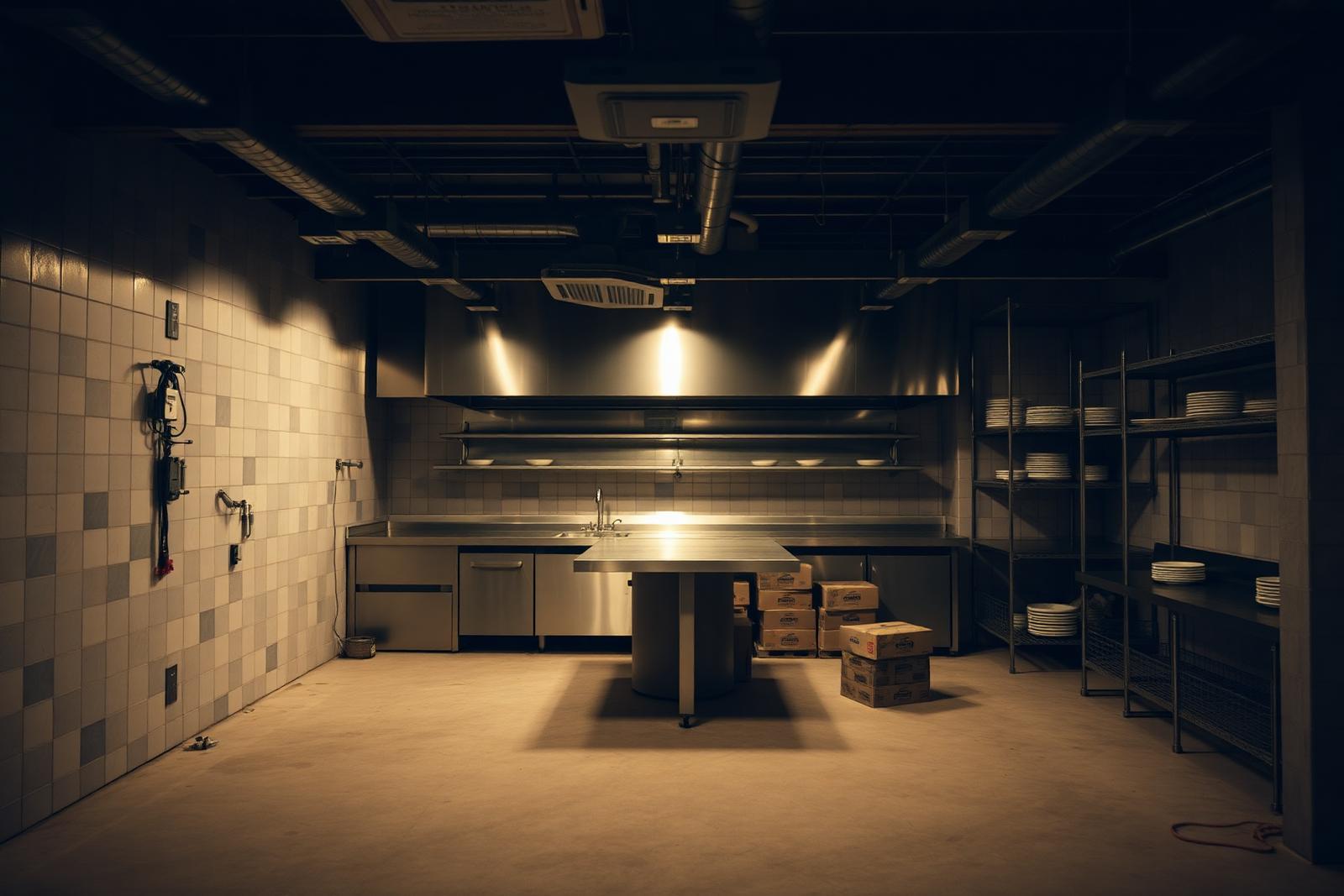
A prominent address does not automatically make a workable hospitality site. Before paying a deposit for premises in Jubilee Hills, Madhapur or the Financial District, verify whether the property can legally and practically support your format. Restaurant leases create risks that ordinary office or retail agreements often overlook: exhaust routes, electrical load, fire access, late-night operations and licence dependencies. Resolve these points in writing before committing money to interiors, equipment or recruitment.
Confirm the premises can host hospitality
Ask the owner for the sanctioned building plan, occupancy documentation, property-tax receipts and proof of title or authority to lease. Confirm that the proposed restaurant, café, bar or brewery use is permitted for the premises. Do not rely on an existing outlet, a broker’s assurance or the phrase “commercial property”. A previous operator may have traded with temporary permissions, inherited non-compliances or used licences that cannot be transferred to your business.
Map every approval your concept may require, including the relevant municipal trade permissions, FSSAI registration or licence, fire compliance and signage approval. Bars and breweries need additional scrutiny because a lease does not guarantee an excise licence. Make the agreement conditional on critical approvals where possible, with a clear deposit-refund mechanism if they are refused because of property-related defects. Have a Hyderabad property lawyer and your licensing consultant review the documents before execution.
- Sanctioned use and occupancy records
- Owner’s title and leasing authority
- Fire access and building compliance
- Approval-linked deposit refund clause
Test utilities before planning the kitchen
Obtain the sanctioned electrical load and compare it with an equipment schedule covering air-conditioning, refrigeration, ovens, dishwashers, coffee machines, pumps and lighting. A site that operated as a boutique may require an expensive load enhancement before becoming a restaurant. Check three-phase supply, transformer capacity, generator backup, meter ownership and the party responsible for augmentation charges. Conduct the assessment with an electrical contractor, not only the landlord’s maintenance team.
Water pressure, storage, drainage and exhaust are equally important. Inspect the premises during operating hours and trace the drainage line rather than assuming it reaches an adequate connection. Confirm where grease traps, fresh-air ducts, outdoor units, LPG banks and exhaust discharge can legally and safely sit. In dense stretches of Banjara Hills or Kondapur, residents and neighbouring tenants may object to fumes, noise or rooftop equipment after the fit-out is complete.
- Sanctioned power and enhancement cost
- Water source and storage capacity
- Drainage route and grease-trap space
- Exhaust path to a safe discharge point
- LPG, generator and outdoor-unit locations
Calculate the full occupancy cost
Compare properties using total monthly occupancy cost, not headline rent. Add common-area maintenance, GST where applicable, property-related reimbursements, parking charges, generator usage, water, waste handling and signage fees. Clarify whether maintenance can increase independently of rent. In managed buildings around HITEC City, Gachibowli and Nanakramguda, operating-hour charges for air-conditioning, security or access can materially affect a late-closing restaurant’s monthly outgoings.
Model the deposit, fit-out period, rent commencement, escalation, lock-in and notice period against a conservative opening schedule. Delays in power enhancement or approvals can consume several rent-paying months before revenue starts. Define whether escalation applies during the lock-in and whether rent is calculated on carpet area, built-up area or another measurement. Record the exact area in an annexure and avoid paying separately for unusable shafts, common passages or inaccessible service zones.
Observe access at real trading hours
Visit the site at lunch, evening peak and closing time on both weekdays and weekends. A location near offices in Madhapur may be quiet on Sundays, while a Jubilee Hills road can become difficult to enter during evening traffic. Check legal parking availability, valet circulation, delivery-rider waiting space, customer drop-off points and access for supply vehicles. Confirm whether the building restricts loading, music, rooftop use, alcohol service or operations after a particular hour.
Speak directly with adjacent occupants and the building association about odour, noise, waste collection and late-night movement. Read association rules before signing; the landlord cannot always override them. For bars and breweries, assess residential proximity and likely complaint points. Also verify that fire exits, staircases and service corridors remain accessible during peak periods. A visible frontage loses value quickly if guests cannot stop safely or vendors cannot complete morning deliveries.
Put handover and exit rights in writing
Attach a detailed possession schedule covering flooring condition, waterproofing, toilets, electrical panels, glazing, shutters, lifts, ducts, terraces and utility meters. Photograph the site jointly and record existing defects. State who pays for structural repairs, seepage, façade work and common-service failures. If the owner promises an exhaust shaft, additional power or a separate entrance, describe the specification, completion date and remedy for delay rather than leaving the promise in emails or broker messages.
Review termination rights as carefully as rent. The lease should address approval failure, prolonged utility interruption, building sealing, redevelopment, ownership disputes and landlord default. Define deposit repayment timelines, permitted deductions and restoration obligations at exit. Ensure the lease term is long enough to recover fit-out expenditure, while preserving a workable break option. Registration, stamp duty and authority to sign should be checked by a qualified lawyer before funds are transferred.
Key takeaway
Treat the lease as an operational feasibility decision, not merely a property negotiation. Complete legal, technical and trading-hour checks, then place every essential landlord commitment and approval condition in the signed agreement.
Need this handled?
Get single-window support for your outlet
Staffing, setup, procurement and operations — coordinated by one Hyderabad team.