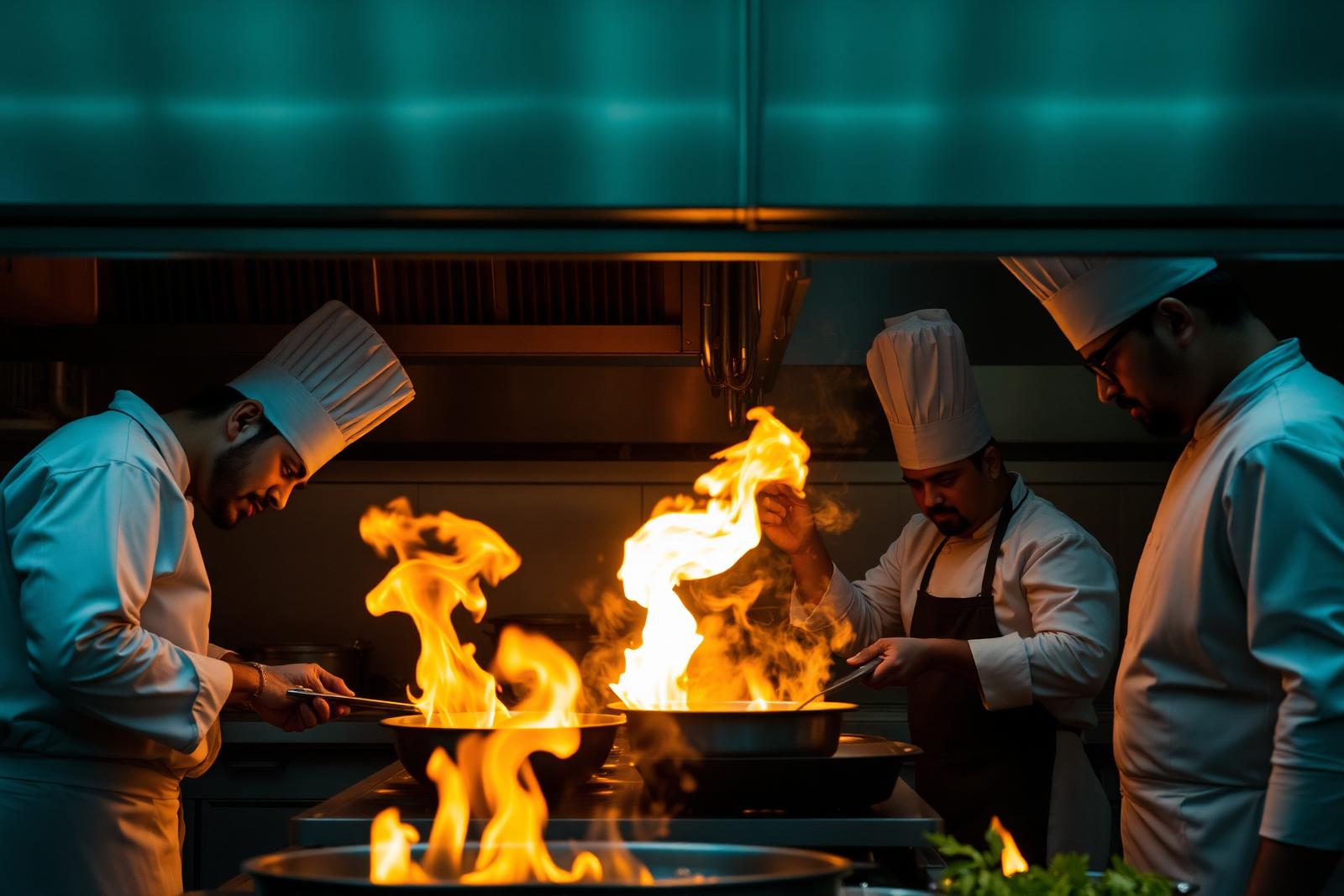
Opening a bakery in Hyderabad is not simply a café setup with an oven added. Production flow, heat extraction, electrical load, food licensing and early-morning staffing all affect the site you can operate from. A compact retail bakery in Kondapur has different constraints from a central kitchen serving counters in HITEC City and Gachibowli. The safest approach is to test the property, approval route and production plan together before committing to interiors or equipment.
Check the property before signing
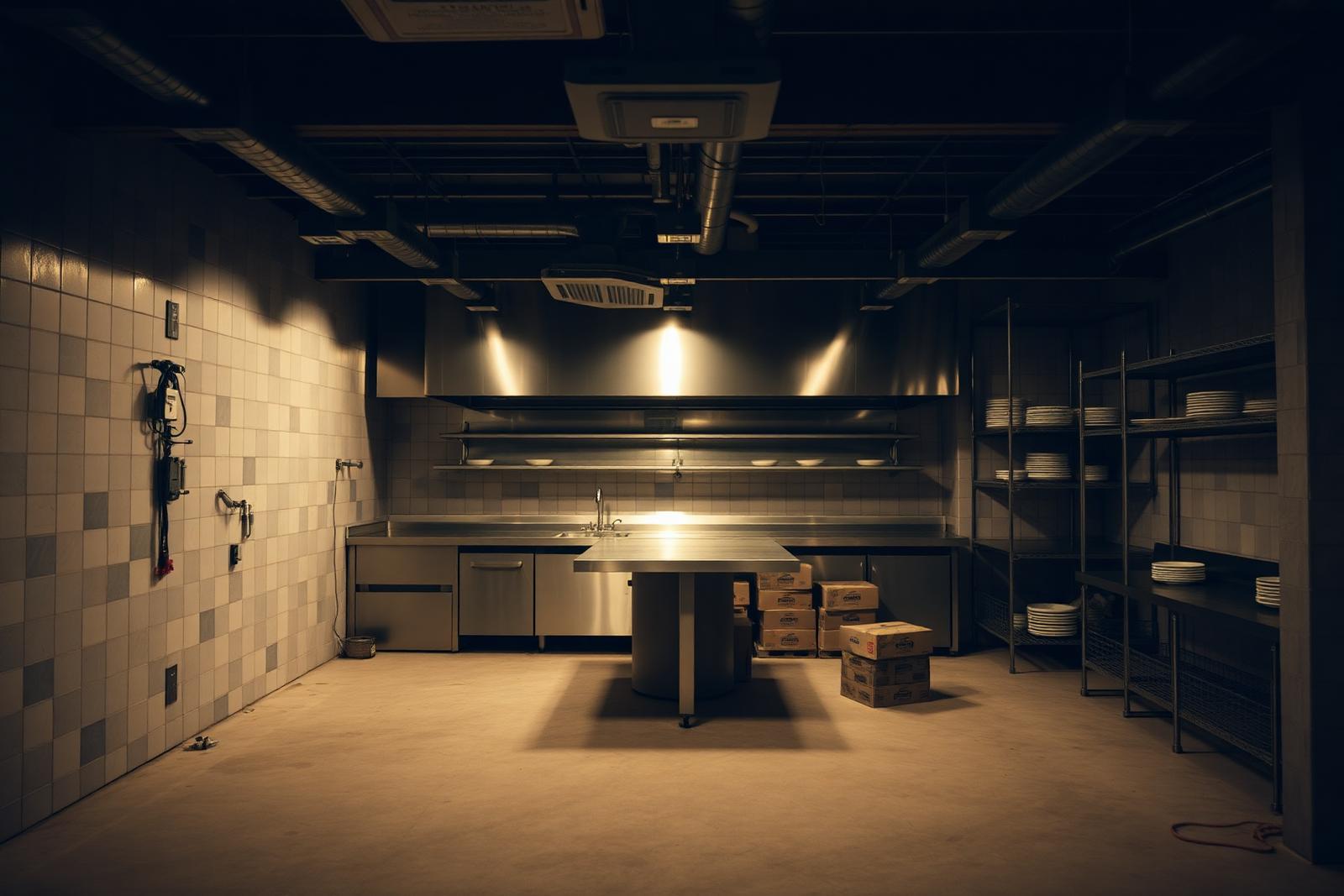
Inspect the site as a production unit, not only as a customer-facing shop. Confirm the sanctioned use of the premises, available three-phase electrical load, water supply, drainage points and the route permitted for exhaust. Ask the landlord for the occupancy documentation and written consent for bakery operations, signage, LPG installation where proposed, and external equipment. A visually attractive unit in Jubilee Hills or Banjara Hills can become unworkable if the building association objects to early deliveries, ducting or condenser placement.
Map the operating hours against the neighbourhood. Bakeries may receive flour, dairy and packaging before surrounding offices or shops open, while dispatch can continue late during festive periods. In Madhapur, HITEC City and Financial District, also examine service-lift access, basement restrictions and loading rules. Put necessary landlord works, approval responsibilities and exit conditions into the lease. Do not rely on a broker’s verbal assurance that another food outlet previously operated there.
- Sanctioned commercial use
- Adequate electrical load
- Approved exhaust route
- Reliable water and drainage
- Safe delivery access
Build a permit file early
The approval list depends on turnover, production scale, building classification, fuel and whether products are sold only on-site or supplied elsewhere. Start with the appropriate FSSAI registration or licence and the applicable GHMC trade licence. Review Telangana Shops and Establishments requirements for the business and workforce. Have a qualified professional check whether fire approvals, building permissions or other local clearances apply to the chosen premises rather than copying the paperwork of a neighbouring café.
If breads, biscuits, cakes or savouries are pre-packed for retail, labels must be reviewed for required declarations, including ingredients, allergens, net quantity, dates, storage instructions and business details. Legal Metrology requirements may apply to packaged goods, while GST registration depends on the business circumstances and current rules. Maintain one controlled file containing lease documents, owner consent, equipment details, floor plans, water reports where required, pest-control records and staff medical fitness records.
- FSSAI licence or registration
- GHMC trade licence
- Shops and Establishments registration
- Fire and building compliance review
- GST and Legal Metrology review
Hire for production, not titles
A bakery team should be designed around the menu and production clock. A pastry chef may handle entremets well but lack experience with laminated dough, sourdough scheduling or high-volume tea cakes. Conduct paid practical trials using your intended recipes, oven and batch sizes. Assess weighing discipline, dough temperature control, finishing consistency, cleaning habits and the candidate’s ability to record wastage. For an early-opening counter in Gachibowli or Nanakramguda, confirm transport availability before finalising a shift that begins before public transport is dependable.
Separate responsibility for production planning, finishing, counter service and cleaning, even when one person covers more than one role initially. Every key process needs a trained backup; otherwise one absence can remove croissants, celebration cakes or savouries from the day’s offer. Issue written recipes with gram weights, yields, tray sizes, baking profiles and cooling instructions. Rosters should include preparation, cooling and packing time rather than treating the shop’s opening hour as the beginning of work.
Run rehearsals before launch
Complete at least several full production rehearsals before inviting customers. Test the sequence from receiving and storage through mixing, proofing, baking, cooling, filling, display and dispatch. Record actual yields, oven recovery time, refrigeration capacity and the shelf life achieved under Hyderabad conditions. Monsoon humidity and summer heat can change dough handling, chocolate work and display performance. A recipe that succeeds in an air-conditioned trial kitchen may behave differently beside a hot deck oven during continuous production.
Use rehearsals to reduce the opening menu to items the team can execute consistently. Create opening and closing checklists, allergen controls, batch labels, cleaning schedules, temperature logs and a rejection process for damaged deliveries. Configure billing items, takeaway packaging and aggregator availability only after portions and costs are fixed. Hold a controlled soft opening with normal staffing and production quantities; it should test handovers and replenishment, not conceal unfinished utilities, missing approvals or untrained staff.
Key takeaway
Validate the premises and permit route before spending on interiors, then hire against the actual production plan. Rehearse complete production days so staffing, equipment and food-safety controls are stable before launch.
Need this handled?
Get single-window support for your outlet
Staffing, setup, procurement and operations — coordinated by one Hyderabad team.