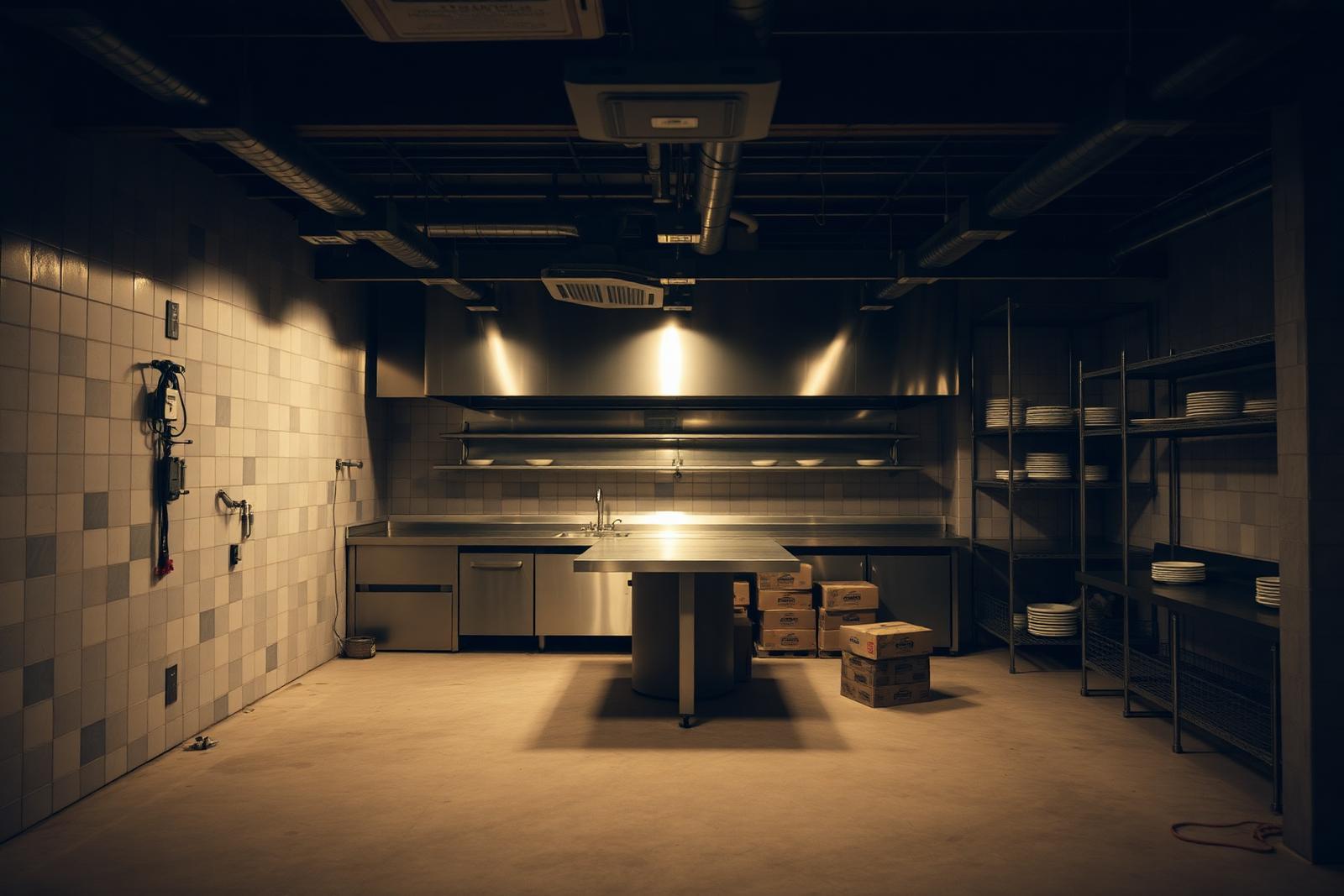
A bakery opening is not simply a café launch with an oven added. Production begins hours before service, ingredients require tighter storage control, and the premises must support heat, drainage, exhaust and dependable power. In Hyderabad, a promising site in Jubilee Hills or Gachibowli can still become expensive if approvals or utility limits are discovered late. The practical approach is to plan people, permissions and production as one connected system before equipment orders, recruitment or launch publicity begin.
Test the premises before signing
Confirm that the property can legally and physically support bakery production before paying a non-refundable deposit. Review the sanctioned use, occupancy documentation, landlord permissions and any restrictions imposed by the building or association. A visible Madhapur storefront may suit retail but lack an acceptable exhaust route. In Banjara Hills, an older building may have drainage or electrical limitations. In Financial District developments, fit-out timings, loading access and waste movement may be tightly controlled by facility management.
Map the full production flow during the site inspection: receiving, dry storage, chilled storage, weighing, mixing, proofing, baking, cooling, finishing, display and dispatch. Check the sanctioned electrical load against ovens, proofers, mixers, refrigeration, air-conditioning and water heating running together. Verify water pressure, floor drainage, grease management, LPG permissions where relevant and backup power. Obtain written quotations for essential corrections before comparing rent, because a lower-rent site can require a substantially heavier fit-out.
- Sanctioned electrical load and phase
- Exhaust route and fresh-air provision
- Water supply and floor drainage
- Delivery, loading and waste access
- Landlord approval for structural work
Sequence licences around the site
Start with the food business model and premises, because licence requirements depend on activities, capacity and turnover. An FSSAI registration or licence is fundamental, with the appropriate category determined through the official criteria. Check the current process for the GHMC trade licence, Telangana Shops and Establishments registration, GST registration and professional tax obligations. Fire safety requirements should be verified against the building, floor, area, occupancy and equipment rather than assumed from another outlet’s experience.
Keep one compliance file containing the lease, owner consent, property documents, layout, equipment schedule, identity documents and application acknowledgements. Confirm whether external signage, generator use, LPG storage, music, outdoor seating or structural alterations trigger additional permissions. Requirements and portals can change, so verify them with the relevant authority or a qualified local professional. Do not schedule launch day around an optimistic approval date; complete critical applications early and retain time for inspections, corrections and document resubmission.
- FSSAI registration or licence
- GHMC trade licence requirements
- Shops and Establishments registration
- GST and labour compliance, if applicable
- Building and fire-safety conditions
Hire for production, not appearances
Separate bakery production roles from counter-service roles. A pastry chef may handle finishing well but struggle with bread fermentation at volume; a bread baker may not be the right person to control plated desserts. Define who owns mixing, oven loading, cooling, decoration, batch records and closing sanitation. For an early-opening outlet in Kondapur or Nanakramguda, confirm transport feasibility for staff reporting before public transport is dependable. Attendance risk is an operating issue, not merely an HR issue.
Recruit the production lead early enough to test recipes on the actual equipment. Then build supporting roles around forecast volume: commis bakers, helpers, counter staff, packers and a shift supervisor where needed. Document gram-based recipes, expected yield, tray configuration, baking temperature, cooling time and shelf-life rules. Cross-train at least one person for each critical station. Avoid relying on a single senior baker who alone knows dough hydration, oven behaviour, supplier substitutions and the morning production sequence.
Run trial bakes like live service
A successful sample bake does not prove the outlet is ready. Conduct full-volume trials using the intended flour, butter, chocolate, yeast, packaging and water supply. Run multiple oven loads, refrigeration recovery and simultaneous equipment use. Record dough and room temperatures, proofing duration, bake loss, finished yield and rejects. Hyderabad’s heat and seasonal humidity can change fermentation and chocolate handling, so establish adjustment rules rather than leaving every batch to individual judgement.
Use the final trials to rehearse opening-day movement. Receive ingredients, label them, produce the planned range, cool products safely, fill the display, pack delivery orders and complete cleaning within real shift hours. Start with fewer products than the equipment and team can technically produce. Review sales, wastage, stock-outs and customer waiting times daily during the first fortnight. Expand only after the core range is consistent across weekdays, weekends and delivery peaks in the outlet’s actual catchment.
Key takeaway
Validate the site and approval route before committing to equipment, then recruit around a documented production flow. Open with a controlled range proven through full-volume trials, not isolated recipe tests.
Need this handled?
Get single-window support for your outlet
Staffing, setup, procurement and operations — coordinated by one Hyderabad team.