A bakery opening is not simply a café launch with an oven added. Production starts hours before service, skilled staff are harder to substitute, and the premises must support heat, power, drainage, storage and safe ingredient handling. In Hyderabad, rent and customer profile may guide the locality, but utilities and permissions can determine whether the unit works at all. The practical sequence is to validate the site, map licences, appoint the production core and test every recipe before announcing an opening date.
Validate the premises before signing
A visible unit in Jubilee Hills or Banjara Hills may suit premium breads and celebration cakes, while Madhapur, Kondapur and Gachibowli can support office orders, delivery and regular takeaway. Location, however, cannot compensate for inadequate sanctioned electrical load, poor exhaust routing or unreliable water supply. Before paying a deposit, have the oven, proofer, refrigeration, air-conditioning and small-equipment loads reviewed by a qualified electrical professional. Confirm whether three-phase power is available and what an upgrade would involve.
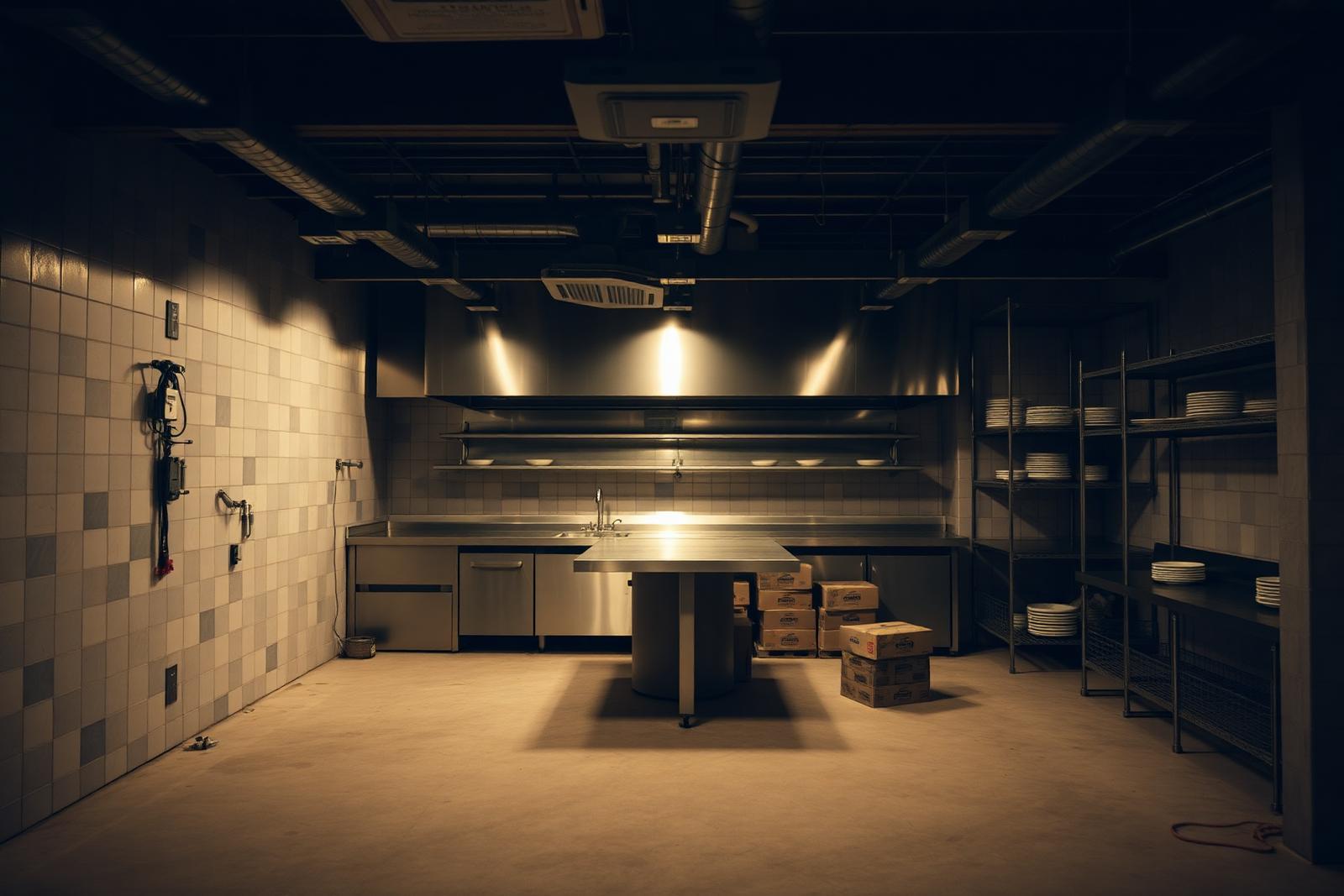
Inspect the proposed production route from goods receipt to storage, preparation, baking, cooling, finishing and dispatch. Raw ingredients should not pass repeatedly through the customer area, and finished products need protected cooling space rather than an improvised rack beside the washing section. Check drainage gradients, pest-entry points, grease and waste handling, LPG placement where applicable, and landlord consent for ducting or external units. In dense commercial buildings around HITEC City and Nanakramguda, these restrictions can materially change the design.
Sequence licences around the actual format
Start by defining the business accurately: production bakery, retail counter, café seating, delivery kitchen, wholesale supply or a combination. The format affects documentation and local approvals. Typical requirements may include FSSAI registration or licensing at the appropriate level, a GHMC trade licence, Shops and Establishments compliance, GST registration where applicable, and fire-safety approvals depending on the premises, occupancy and equipment. Signage, music, outdoor seating and LPG storage can create separate permission or compliance questions.
Do not rely solely on a broker’s statement that the previous tenant operated food service. Obtain copies of existing building approvals and verify the current position with the relevant authority or a qualified compliance professional. The entity name, address and activity should remain consistent across applications, lease papers and utility records. Build approval time into the project schedule; equipment delivery and staff joining dates should not be fixed around an unconfirmed licence assumption.
- Define every sales channel
- Verify the permitted property use
- Keep entity details consistent
- Track renewals and inspection records
Hire the production core first
Recruit the head baker or production lead before finalising the menu and equipment list. That person should be able to translate expected sales into batch sizes, fermentation schedules, oven capacity and staffing hours. Test candidates through a paid practical trial using your intended ingredients and equipment category. Evaluate weighing discipline, dough handling, temperature awareness, consistency, workstation hygiene and the ability to document a method—not merely the appearance of one successful loaf or cake.
A compact opening team usually needs clear ownership of bread or viennoiserie production, cakes and finishing, savoury preparation where offered, packing, counter service and cleaning. Avoid building the roster around one person who alone understands every recipe. Create gram-based recipe sheets, photographs of acceptable finishes, yield records and opening and closing checklists. Cross-train at least one second person on mixing, baking and basic finishing before launch, especially when the outlet will serve early breakfast or fulfil office orders in the Financial District.
- Production lead or head baker
- Commis bakers by product line
- Counter and packing staff
- Utility and cleaning support
- Shift supervisor for extended hours
Run production rehearsals before launch
Allow several rehearsal days with the complete team, not just isolated recipe trials. Produce the planned opening range in the correct sequence and record mixing, proofing, baking, cooling and finishing times. Check whether refrigeration recovers after repeated door opening and whether the oven behaves consistently when fully loaded. Include packaging and delivery holding tests: a pastry that looks correct at the counter may soften or shift during a ride from Kondapur to Gachibowli.
Use the rehearsal to reduce the opening menu rather than expand it. Identify products that compete for the same oven window, require excessive last-minute finishing or create low-use ingredients. Set batch sheets, wastage logs, allergen information, cleaning schedules and temperature records before taking public orders. A controlled soft opening with limited quantities gives the team time to correct production flow, counter communication and replenishment decisions without turning every first-week error into a customer complaint.
Key takeaway
Confirm utilities and permission feasibility before committing to a bakery site, then hire the production lead early and rehearse the full operating day. Open with a smaller, documented range that the team can reproduce safely and consistently.
Need this handled?
Get single-window support for your outlet
Staffing, setup, procurement and operations — coordinated by one Hyderabad team.