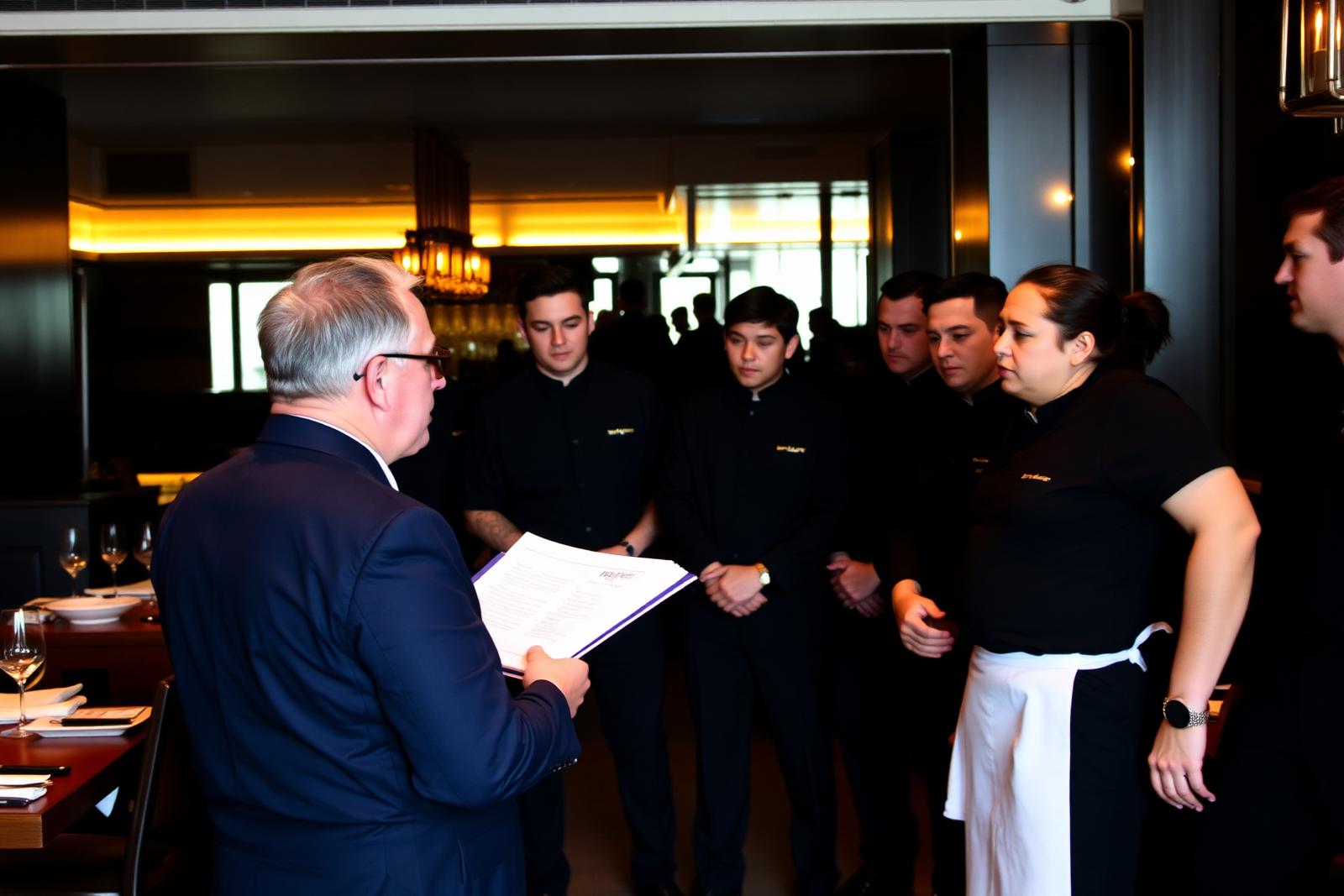
A workable staff roster is not simply a list of names against shifts. It must reflect when orders arrive, which roles become bottlenecks and how Hyderabad travel patterns affect attendance. A Madhapur café serving weekday office traffic needs a different plan from a Jubilee Hills bar peaking after 9 pm. The aim is to protect Friday evening through Sunday close without exhausting the team that must return on Monday.
Map demand before assigning names
Start with the previous four comparable weeks of bills, reservations, delivery orders and hourly sales. Mark demand by 30- or 60-minute interval rather than using daily totals. A busy Saturday can contain a quiet lunch, a sharp evening build-up and a late-night peak. Note local influences such as HITEC City office attendance, Financial District salary weekends, cricket screenings, mall traffic, Sunday brunches and seasonal rain that may shift guests towards delivery.
Translate each demand period into workstations, not headcount alone. A restaurant may have enough people overall but still lack a strong grill cook, barista or billing cashier during the rush. Identify the minimum competent coverage for every live station, then add support where queues usually form. Use these checks when mapping the roster:
bullets
- Orders by hour and service channel
- Reservations, events and large tables
- Critical kitchen and beverage stations
- Opening, closing and cleaning workload
Build around fixed weekend anchors
Assign proven employees to anchor positions first: shift supervisor, cashier, pass controller, lead cook, bartender or senior barista. Avoid placing every experienced person on the same shift while leaving the opening or closing crew exposed. In bars and breweries, the closing team also needs enough authority and skill to handle settlement, stock reconciliation, guest disputes and handover after the visible rush has ended.
Next, place flexible staff around those anchors. Split shifts can cover lunch and dinner peaks, but use them only where the break is genuinely usable and the employee can travel or rest safely. A long unpaid gap is particularly impractical for staff commuting between Kondapur, Gachibowli or Nanakramguda. Publish exact start, break and finish times; labels such as “evening shift” create arguments and weak accountability.
Design overlap before the rush
Schedule overlap 60 to 90 minutes before the expected peak, not when tables are already full. The incoming team should complete briefing, grooming checks, station replenishment and pending prep before taking orders. The outgoing team can then clear breaks, finish side work and hand over open tables. For a 7.30 pm dinner build-up, an overlap beginning around 6 pm is usually more useful than adding people at 8 pm.
Stagger meal breaks and protect one person who can temporarily cover each station. Never send the cashier and supervisor, or the lead cook and commis supporting the same section, on break together. Keep weekend break plans visible beside the roster so managers do not improvise under pressure. For high-volume services, record who covers each critical break:
bullets
- Cash counter and aggregator tablets
- Hot kitchen and finishing pass
- Bar, coffee or draught station
- Floor section and guest complaints
Create a controlled backup layer
A backup plan should name people and activation times. Maintain a small list of trained relief workers, cross-trained employees and off-duty staff who have agreed to be contacted. Record their roles, locality, travel time and earliest reporting time. Someone living near Banjara Hills may be a realistic replacement for a Jubilee Hills outlet; a person travelling across the city during Friday traffic may not be.
Set a clear escalation deadline for absences. For example, the opening manager confirms attendance before staff begin travelling, while the evening manager reviews reservations, weather and bookings early enough to call support. Do not routinely roster fewer people and treat backup staff as the normal solution. Relief coverage is for sickness, exceptional bookings or sudden demand, not a substitute for funded baseline staffing.
Review Monday, publish by Wednesday
Review the completed weekend on Monday while details are fresh. Compare planned and actual clock-in times, delayed breaks, voids, ticket times, overtime and stations that required emergency help. Ask where the operation depended on one person. Repeated overtime may indicate poor deployment, excessive prep during service or an understaffed station; it does not automatically mean the entire outlet needs more employees.
Publish the next roster by Wednesday and limit later changes to genuine operational needs. This gives employees time to plan travel, childcare and weekly offs, improving the chance that weekend shifts start on time. Keep one version under the manager’s control and require acknowledgement in the team’s usual communication channel. Any swap should preserve role competence, working-hour limits, weekly rest and closing-to-opening recovery time.
Key takeaway
Build the roster from hourly demand and critical stations, then add pre-rush overlap, staggered breaks and named backup cover. Review every weekend on Monday and publish the corrected plan by Wednesday.
Need this handled?
Get single-window support for your outlet
Staffing, setup, procurement and operations — coordinated by one Hyderabad team.