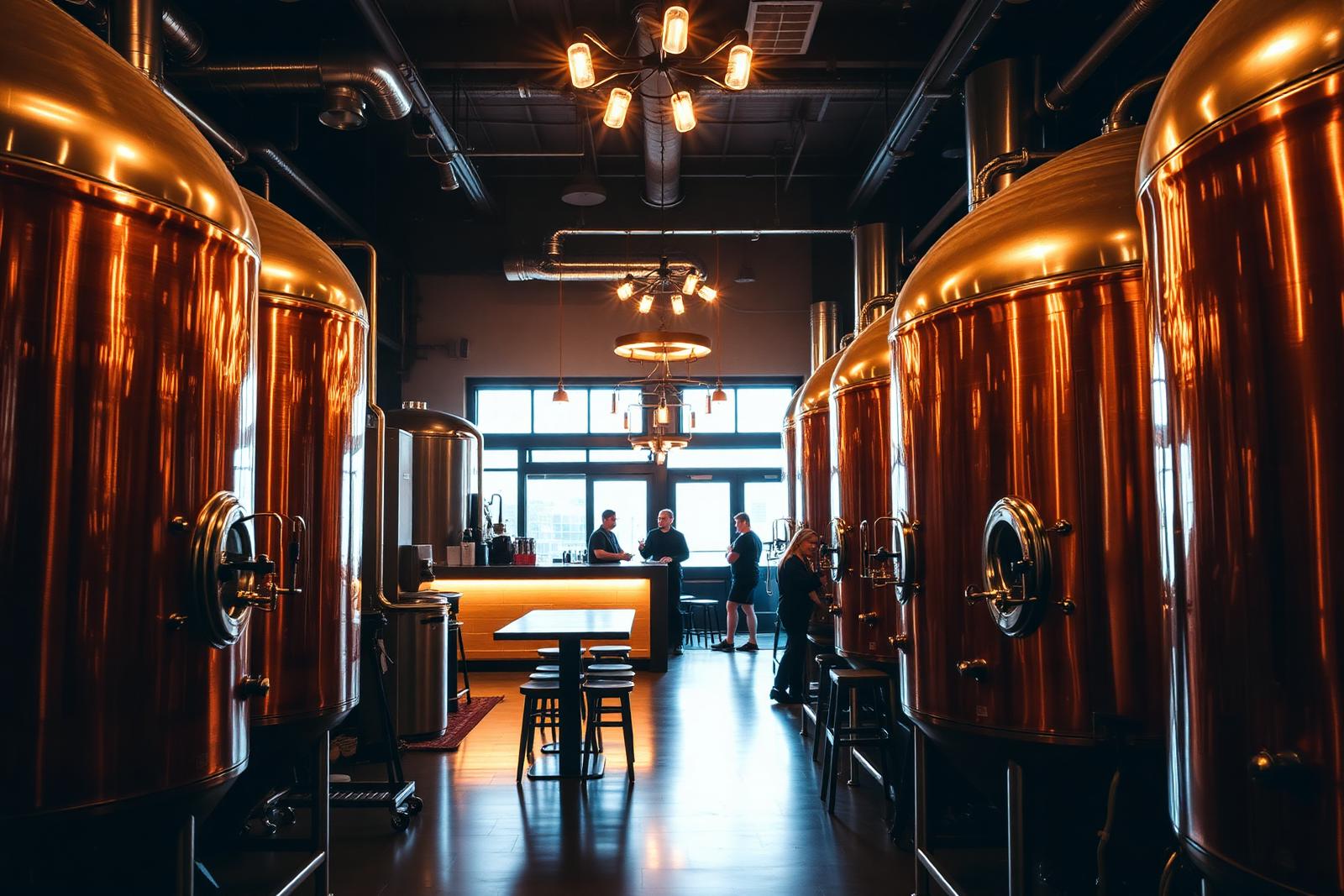
A higher taproom bill should come from better guidance, not aggressive selling. Guests spend more when servers explain unfamiliar beers clearly, recommend suitable food and notice the right moment for another order. In Hyderabad’s brewery clusters, from Jubilee Hills to the Financial District, this requires consistent service rather than individual charm. The following standards help managers turn beer knowledge, table timing and responsible service into a repeatable system that also improves the guest experience.
Set a structured opening sequence
The first two minutes determine whether guests explore the menu or default to one familiar beer. A server should greet the table promptly, confirm whether guests prefer light, malty, bitter or fruit-forward styles, and ask whether they are ordering food. This is more useful than reciting every tap. For larger groups, the server should identify one or two uncertain guests without allowing the explanation to delay water, menus or the first order.
Use a short service sequence that every steward can reproduce, including temporary weekend staff. Managers should observe it during Friday evening shifts in Madhapur, HITEC City or Gachibowli, when noise and table pressure expose weak habits. The sequence should include:
- Offer water and menus immediately
- Ask one simple flavour-preference question
- Recommend no more than two beers
- Mention tasting pours or flights where permitted
- Suggest one relevant food pairing
Sell discovery before larger pours
A guest who does not understand the beer list often chooses the safest option, then stops after one round. Tasting flights or properly controlled sample pours reduce that uncertainty. Servers must explain the order of tasting, identify the key difference between styles and avoid technical lectures. A useful description connects flavour to familiar references: crisp and light, roasted and coffee-like, citrus-led, or fuller and slightly sweet.
Price architecture should make the next decision clear. For example, if individual pours are ₹325, ₹375 and ₹425, the flight should communicate exactly what quantity and variety the guest receives for its listed price. Do not use vague terms such as “premium selection”. Display pour sizes, taxes and service charges transparently. Once the flight is delivered, the server should return after guests have tasted it and ask which style they preferred before suggesting a full pour.
Pair food with drinking stages
Generic prompts such as “Would you like starters?” rarely raise spend. Build pairing prompts around the guest’s beer and the stage of the visit. With the first round, suggest fast items that can reach the table quickly. Before the second round, recommend a more substantial plate or a sharing dish. Late in the meal, offer dessert or a non-alcoholic drink rather than automatically pushing another beer.
Keep the choices operationally realistic. The pairing list should prioritise dishes that the kitchen can execute during peak periods and that hold their quality while guests talk. A taproom in Kondapur serving office groups may need fast sharing plates, while a Jubilee Hills venue with longer weekend visits can support a staged meal. Review pairings jointly with the brewer, chef and floor manager whenever taps or menu items change.
- Assign two dependable dishes to each beer
- Mark fast starters for the first round
- Include vegetarian sharing options
- Add one alcohol-free pairing route
- Remove pairings with frequent stock-outs
Time checks without pressuring guests
The best reorder prompt arrives when glasses are roughly one-third full, not after they are empty and not immediately after delivery. The server can ask whether guests want the same beer, a contrasting style or food with the next round. Empty glasses, finished plates and unattended water bottles should trigger a table check, but repeated interruptions can shorten the visit and damage trust.
Responsible service remains non-negotiable. Staff should watch consumption pace, offer water and food, refuse service when required, and involve the duty manager early rather than arguing at the table. Maintain procedures aligned with Telangana excise conditions, legal drinking-age requirements and the outlet’s licence. A higher average bill built through food, discovery and attentive pacing is more sustainable than relying on excessive alcohol orders.
Measure behaviours, not sales pressure
Review average bill alongside the behaviours that influence it: flight orders, food attachment, second-round timing, voids, complaints and alcohol-free beverage sales. Compare similar shifts rather than treating a quiet Monday and a Saturday night as equivalent. Managers should also check whether higher bills are accompanied by slow ticket times, poor table turns or guest dissatisfaction.
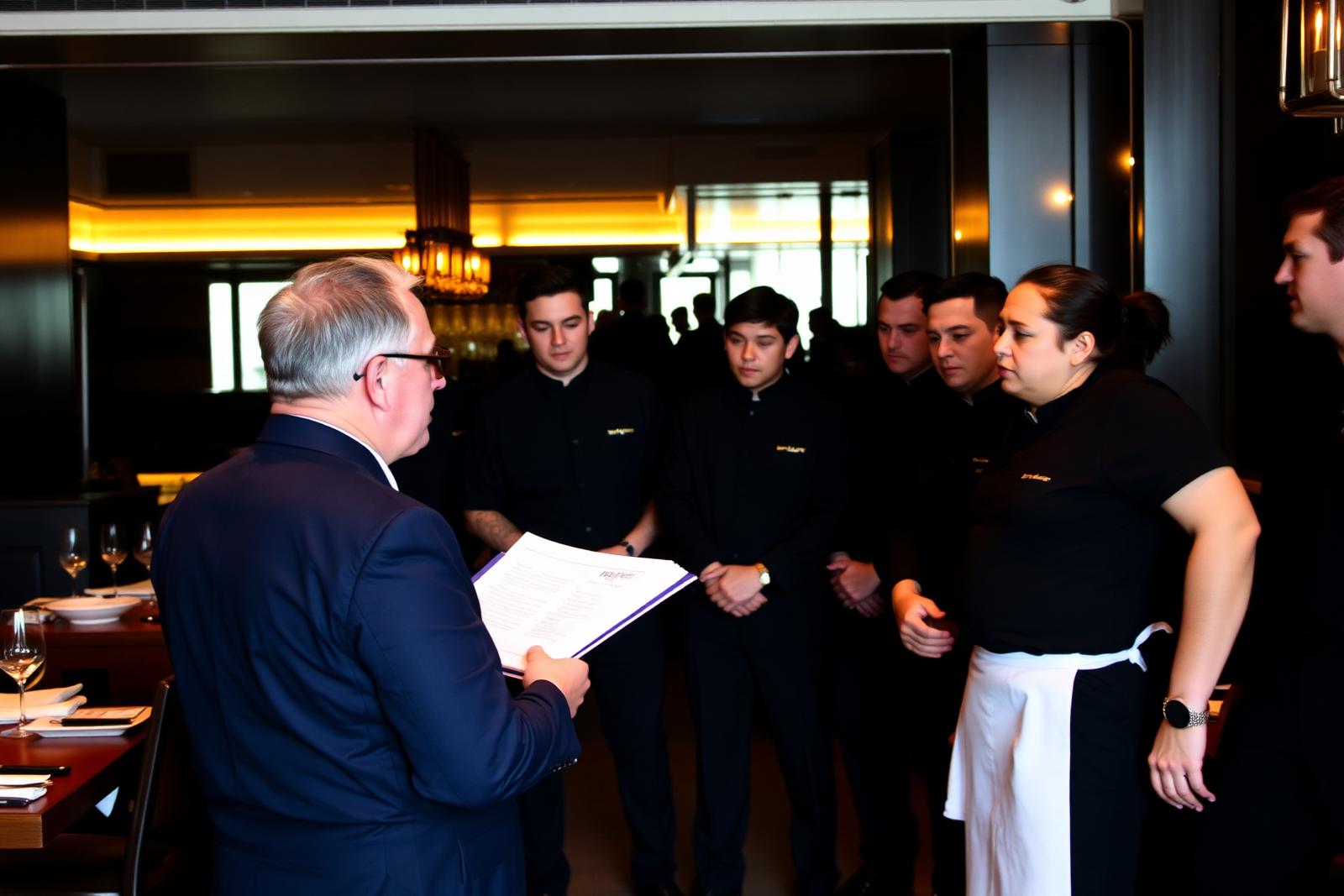
Use pre-shift briefings to practise one beer description and one pairing prompt, then observe actual tables. Coach specific moments, such as offering a flight to an undecided guest or returning after the first taste. Avoid incentives based only on alcohol value; they encourage unsuitable recommendations. Recognition should reward accurate guidance, food pairing, responsible decisions, clean order entry and consistent service across every section.
Key takeaway
Standardise the opening conversation, tasting guidance, food pairings and reorder timing. Track those behaviours alongside average bill so growth comes from useful service rather than pressure.
Need this handled?
Get single-window support for your outlet
Staffing, setup, procurement and operations — coordinated by one Hyderabad team.