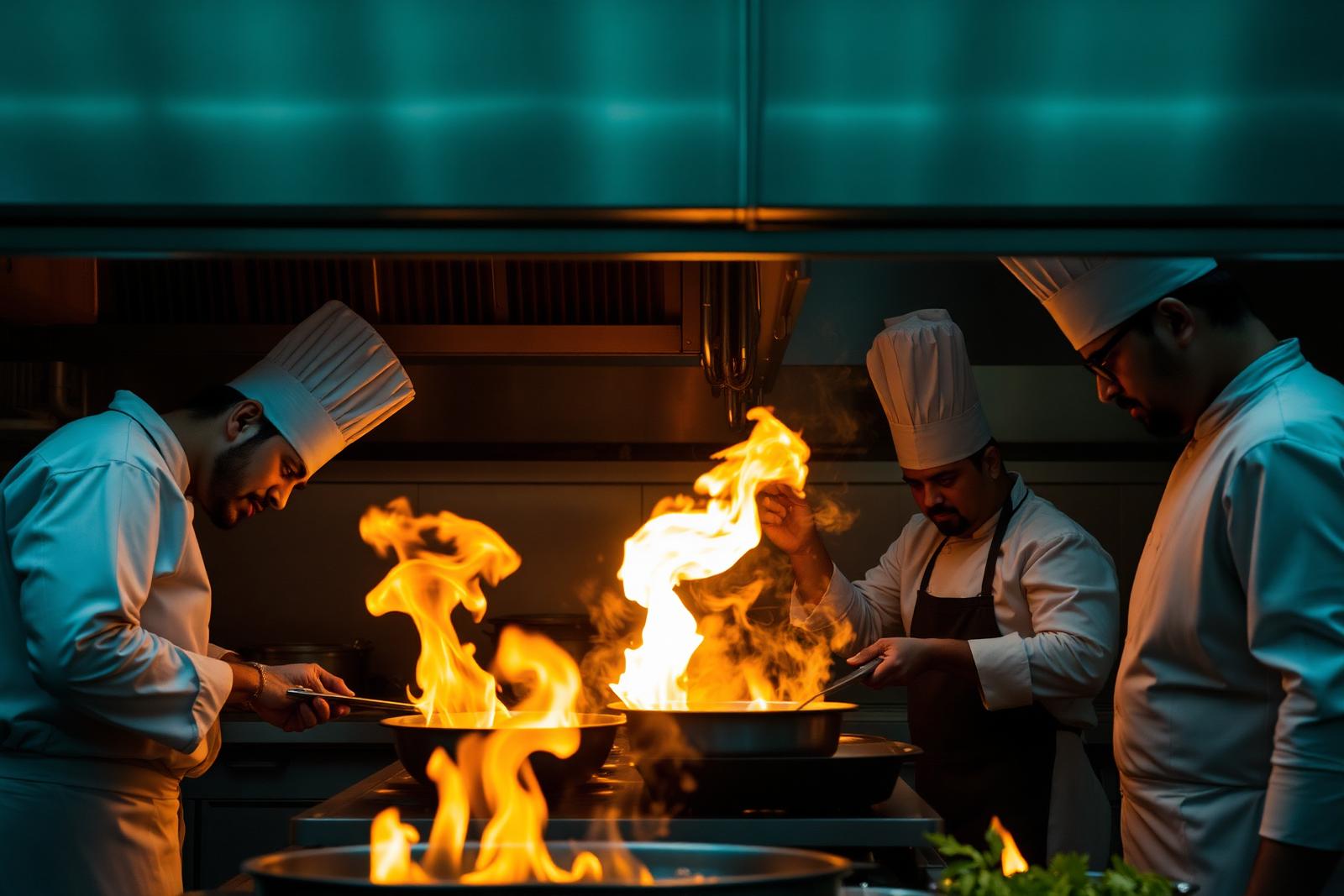
Cloud kitchen errors often begin where cooking ends. A correct dish can still reach a customer with a missing accompaniment, softened fried item, leaking gravy or incorrect label. During concentrated order periods in Madhapur, Gachibowli and the Financial District, adding more people around the pass can create confusion rather than control. The better approach is to define who releases each order, how packaging is selected and which exceptions must be recorded before the rider collects the bag.
Separate Making, Packing and Releasing
Treat cooking, packing and release as three distinct responsibilities, even when a small team member performs more than one role. Cooks should finish and identify dishes; packers should verify components against the kitchen order ticket; one designated release controller should close, label and hand over the order. During peak periods, nobody else should give bags to riders. This prevents an aggregator alert, rider question or verbal instruction from bypassing the final check at the pass.
Give Every Pack a Clear Standard
Create a packaging matrix based on food behaviour rather than menu category alone. A biryani, curry, fried snack and cold dessert require different controls for heat, moisture, movement and travel time. Routes from Kondapur to Nanakramguda can expose a pack to traffic, handling and prolonged enclosure. Record the approved container, lid, liner, venting method, seal and outer bag for every delivery item, then keep a printed copy at the packing station.
- Vent packs for crisp fried food
- Separate gravies from breads and rice
- Use tamper seals across lid openings
- Mark vegetarian and allergen-sensitive orders clearly
- Keep cold items outside hot-food bags
Staff Peaks by Workstation Load
Do not roster only from the expected number of orders. Consider how many separate items, customisations and packaging steps those orders create. A compact menu may need one packer, while a promotion with combos can overwhelm the same person. For Friday evening demand in HITEC City or Jubilee Hills, assign a surge role that can replenish containers, print replacement labels and assemble accompaniments without taking control of final release.
- Pre-fold bags before the rush
- Stage measured cutlery and condiment sets
- Replenish containers at fixed trigger levels
- Keep one clear shelf for exceptions
Record Exceptions Before Blaming Staff
Maintain a short exception log beside the pass: order number, time, error, detection point and likely cause. Distinguish cooking omissions from unclear tickets, unavailable packaging, label failures and rider handover mistakes. Review the log after each peak rather than waiting for aggregator complaints. If repeated leakage causes ₹800 in remakes and refunds, test the container and filling level before issuing warnings. Discipline improves when the team can see the process defect as clearly as the individual mistake.
Check the Pass After Every Rush
A ten-minute post-peak check should cover unused labels, unclaimed components, broken seals, low packaging stock and orders released without initials. The shift supervisor should also inspect whether packers followed the matrix when the queue became difficult. Use the findings to adjust prep quantities, station layout or role allocation for the next service. This small routine gives managers in Banjara Hills and other high-delivery catchments evidence for improvement instead of relying on memory or customer ratings alone.
Key takeaway
Assign one release controller, standardise packaging by food behaviour and log every exception at the pass. Review failures after each rush before changing staff or buying new containers.
Need this handled?
Get single-window support for your outlet
Staffing, setup, procurement and operations — coordinated by one Hyderabad team.