Food cost rarely improves through one large supplier negotiation. In a Hyderabad café, the real gains usually come from controlling edible yield, recipe quantities, purchasing frequency, portioning and avoidable waste. These controls matter whether the outlet serves office traffic in HITEC City, premium diners in Jubilee Hills or delivery-heavy customers in Kondapur. The objective is not to buy inferior ingredients or shrink portions silently, but to ensure every purchased kilogram and every prepared batch produces the revenue it should.
Calculate cost from usable yield
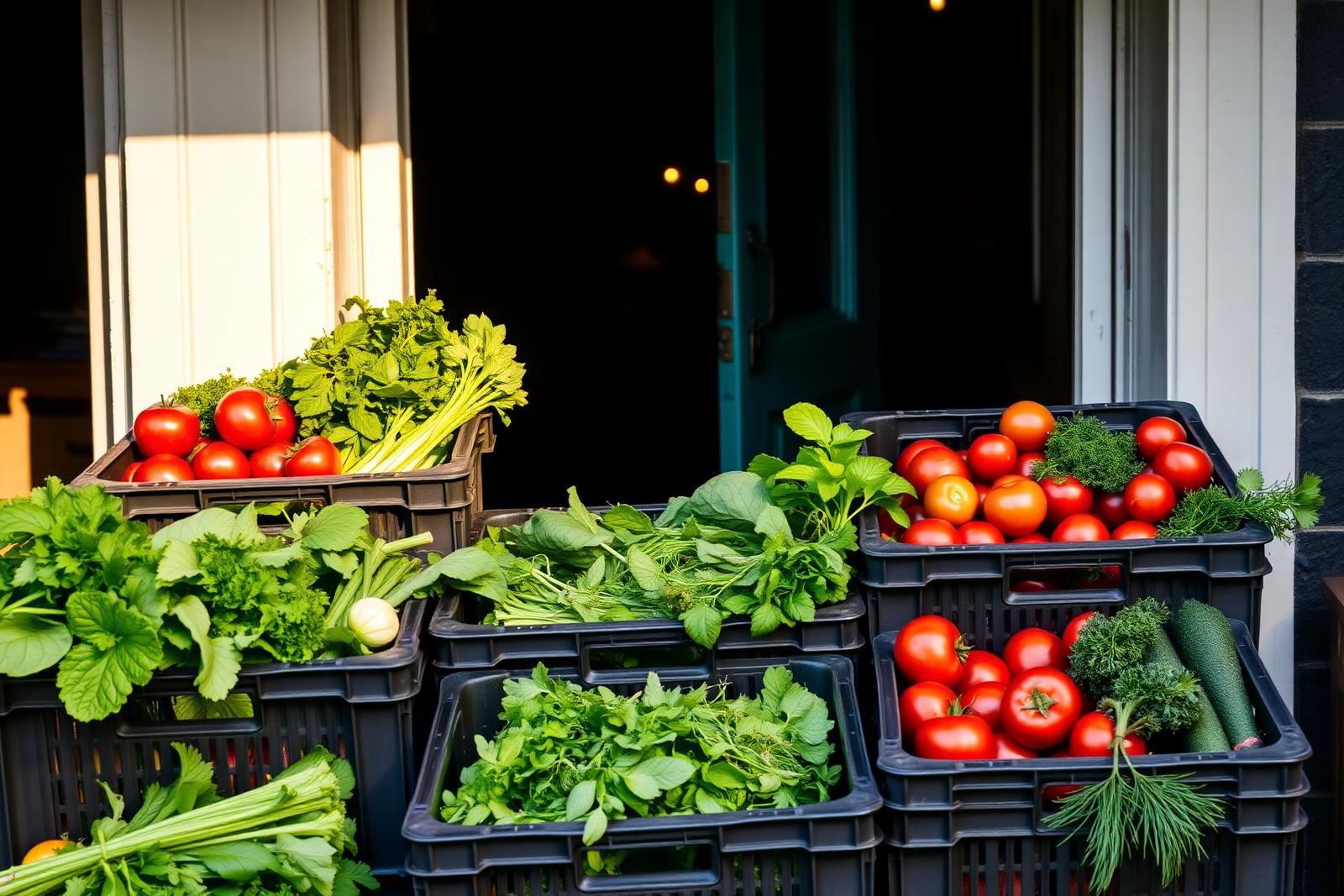
Purchase price alone does not reveal an ingredient’s true cost. If a café buys five kilograms of vegetables but loses weight through trimming, cleaning and spoilage, the usable kilogram costs more than the invoice rate. Run a simple yield test for high-value or high-loss items such as chicken, paneer, cheese, avocados, mushrooms and leafy vegetables. Weigh each item when received, then weigh the portion that can actually enter recipes. Cost dishes using the usable quantity, not the supplier’s gross weight.
Use a standard costing sheet for every menu item, including garnishes, cooking oil, sauces, takeaway packaging and accompaniments that staff may treat as negligible. Compare ingredient cost against net selling price on a consistent basis, preferably excluding GST from sales. Recalculate whenever a key purchase price changes. A ₹20 increase per kilogram may appear small, but its effect becomes visible when multiplied across portions, combos and monthly sales volume.
- Record received weight and usable weight
- Cost complimentary sides and condiments
- Include delivery packaging by item
- Review volatile prices every fortnight
Control portions at the prep stage
Quality is easier to protect when portion control happens before service. Pre-portion cheese, chicken, paneer, sauces and smoothie fruit during quieter prep periods, using labelled containers or food-safe pouches. Specify ladles, scoops and cup sizes in each recipe rather than writing vague instructions such as “one spoon”. A cook working through a Madhapur lunch rush should not have to estimate whether a pasta receives 70 or 100 grams of sauce.
Do not reduce a visible hero ingredient merely to meet a target percentage. Instead, examine components that are routinely overused without improving the guest experience: excess mayonnaise, oversized garnish, uncontrolled oil, double handfuls of fries or too much ice cream in a shake. Conduct a plate check at the pass and review returned food. If guests regularly leave a side untouched, redesign the plate rather than continuing to purchase, prepare and discard it.
- Issue one tool for each portion
- Label prep packs with weight and date
- Photograph approved plating standards
- Check takeaway and dine-in portions equally
Buy for the actual sales pattern
Weekly purchasing habits can create hidden waste when sales vary sharply by day and locality. A Financial District café may be strongest on weekday mornings, while a Banjara Hills outlet may depend more on evenings and weekends. Build order quantities from recent item-level sales, current stock, confirmed events and realistic shelf life. Do not order simply because the supplier visits on a fixed day or offers a lower rate for a larger case.
Separate ingredients into dependable staples, volatile perishables and slow-moving speciality items. Staples can support planned bulk buying where storage is suitable. Perishables need smaller, more frequent orders and firm receiving checks. Speciality ingredients should be linked to specific menu sales rather than a chef’s preferred buffer. When comparing Hyderabad vendors, evaluate delivered usable cost, consistency, credit terms and replacement handling—not only the quoted price per kilogram.
Make waste visible every day
Maintain a short waste log at the kitchen or beverage station, recording the item, quantity, approximate value and reason. Use practical categories: expired stock, preparation trim, incorrect order, overproduction, spillage, return or quality rejection. A ₹150 loss may not justify a meeting, but repeated entries reveal a process problem. Review the log alongside voids, complimentary items and staff meals so that legitimate consumption is separated from unexplained usage.
Finish each week with a physical count of the ingredients that contribute most to food cost. Compare expected usage from recorded sales with actual depletion, allowing for documented waste and approved staff consumption. Investigate gaps by recipe and shift rather than accusing individuals. Common causes include an incorrect recipe quantity in the POS, unrecorded add-ons, inconsistent transfer between kitchen sections, poor receiving checks or batches prepared without reference to forecast demand.
Adjust the menu before quality
If a correctly portioned dish still produces an unsuitable margin, change its commercial design before lowering ingredient quality. Reprice it, revise the side, make an expensive add-on optional, or remove it if demand does not justify the stock it requires. In Gachibowli and Nanakramguda, value-focused office combinations may need different construction from leisurely weekend items sold in Jubilee Hills. One menu does not require one margin across every dish.
Review contribution in rupees as well as food-cost percentage. A popular item can carry a higher ingredient percentage yet contribute useful cash per sale, while a low-cost item may occupy equipment and labour without enough demand. Map each dish by sales volume, ingredient cost, preparation time and shared inventory. Favour dishes that use ingredients across several fast-moving recipes; isolated ingredients create dead stock, emergency purchasing and eventual quality loss.
Key takeaway
Start with usable-yield costing, fixed portions and a daily waste log. Then align purchasing and menu design with actual item sales before changing ingredient specifications or reducing guest-facing quality.
Need this handled?
Get single-window support for your outlet
Staffing, setup, procurement and operations — coordinated by one Hyderabad team.