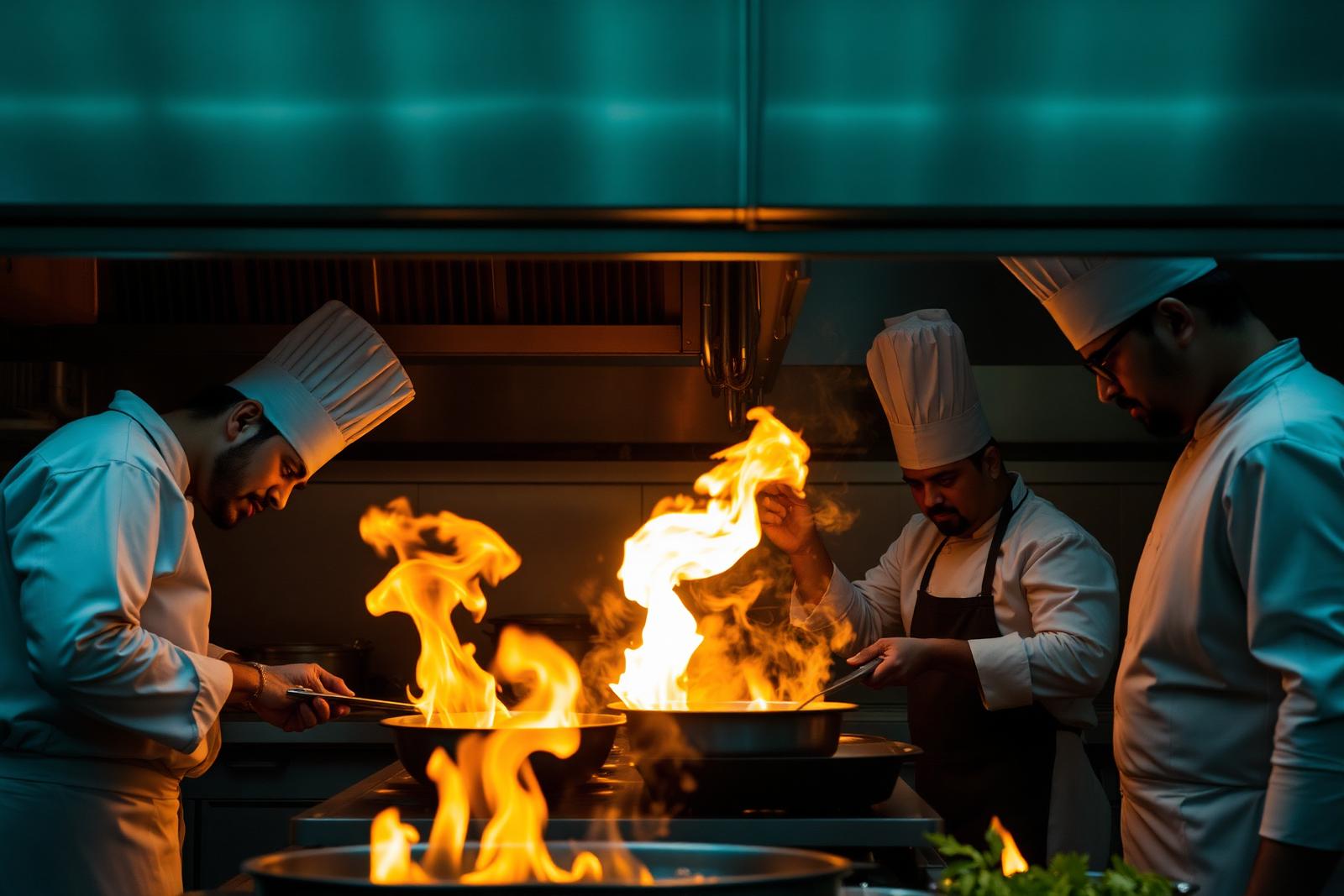
Online delivery should be treated as a second service channel, not as extra tickets for the same queue. In Hyderabad, a kitchen can move from a quiet weekday to a sudden burst of app orders while tables fill after office hours. The solution is not to reject delivery or make dine-in guests wait silently. It is to define channel capacity, control what each channel can order, and give one person authority to slow the apps before service slips.
Set capacity by service window
Do not leave aggregator availability unchanged from opening to closing. Build a simple capacity clock around actual demand. A Madhapur café may need tighter controls between 12.30 pm and 2.30 pm, while a Gachibowli restaurant may feel greater pressure after 7.30 pm. Weekend patterns in Jubilee Hills or Banjara Hills can differ again. Review order volume alongside dine-in covers, preparation times and kitchen station load rather than looking only at aggregator sales.
Translate that review into clear operating states: normal, restricted and paused. Normal service can carry the full delivery menu. Restricted service removes slow dishes, reduces order quantity limits or extends preparation time. Paused means accepting no new delivery orders until the queue recovers. Record the trigger for each state, such as a full grill rail, a defined number of pending tickets or dine-in mains already exceeding the outlet’s target time.
Give each channel a controlled menu
A delivery menu should be smaller than the dine-in menu when both depend on the same kitchen. Remove items that travel badly, require last-minute plating or occupy a critical station for too long. If one pasta, kebab platter or elaborate beverage repeatedly delays both channels, its aggregator revenue may hide the cost of refunds, remakes and unhappy tables. Keep dishes with predictable preparation, stable packaging and ingredients already used across the core menu.
Control modifiers as carefully as dishes. Unlimited customisation creates hidden production time because staff must read notes, confirm substitutions and locate different packaging. Configure only substitutions the kitchen can execute consistently. During restricted periods, disable large bundles and high-effort add-ons first rather than removing the entire menu. Ensure prices account for packaging and channel costs, but avoid using inflated app prices to compensate for an operationally unsuitable menu.
- Keep fast, travel-stable dishes available
- Disable labour-heavy bundles during peaks
- Limit modifiers to approved substitutions
- Remove items dependent on one busy station
Separate dispatch from table service
Delivery riders should not compete with guests at the host desk, bar counter or billing point. Mark a collection position that does not block the entrance, even if the outlet has limited space. In compact HITEC City or Kondapur premises, this may be a numbered shelf near a side entrance rather than a separate room. Display the order number clearly and keep completed bags away from food still awaiting checks.
Assign dispatch ownership for every busy shift. That person confirms the order number, checks seals and accompaniments, updates readiness on the aggregator device and hands over the correct bag. They should not repeatedly pull servers away from tables. If staffing is lean, combine dispatch with cashier duties only where the counter has clear sight of the collection point and billing demand does not peak at the same time.
- Use one marked rider collection point
- Label bags before they reach dispatch
- Keep aggregator devices with the controller
- Record remakes and handover disputes
Protect tables with explicit triggers
Managers often pause aggregators too late because no one wants to lose a sale. Replace judgement calls with agreed triggers. If promised dine-in preparation time is breached across several tables, the pass becomes congested or a key station loses a staff member, move immediately to restricted mode. If the backlog continues, pause orders for a short, defined interval and reassess. A controlled pause is usually safer than accepting tickets the kitchen cannot complete reliably.
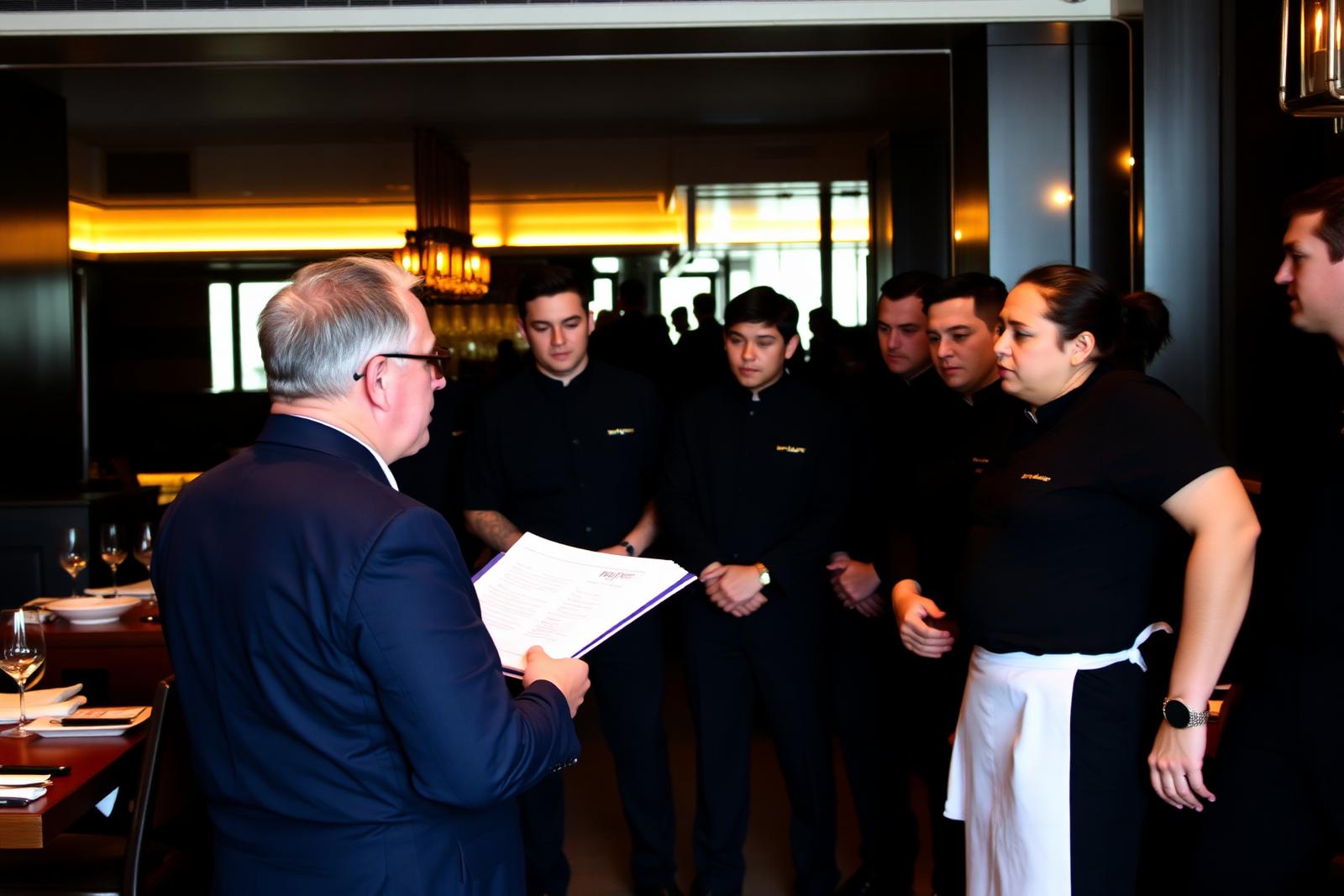
Brief the floor team whenever delivery restrictions change. Guests in Financial District or Nanakramguda outlets may arrive in concentrated office groups, so the kitchen must know about expected covers before apps are reopened. After each peak, compare order acceptance time, kitchen completion, rider arrival and handover. This separates kitchen delay from rider delay and helps managers adjust preparation settings without making promises based on guesswork.
Key takeaway
Run delivery through capacity states, a controlled menu and a named dispatch owner. Pause or restrict orders when operational triggers are reached, before dine-in waiting times begin to deteriorate.
Need this handled?
Get single-window support for your outlet
Staffing, setup, procurement and operations — coordinated by one Hyderabad team.