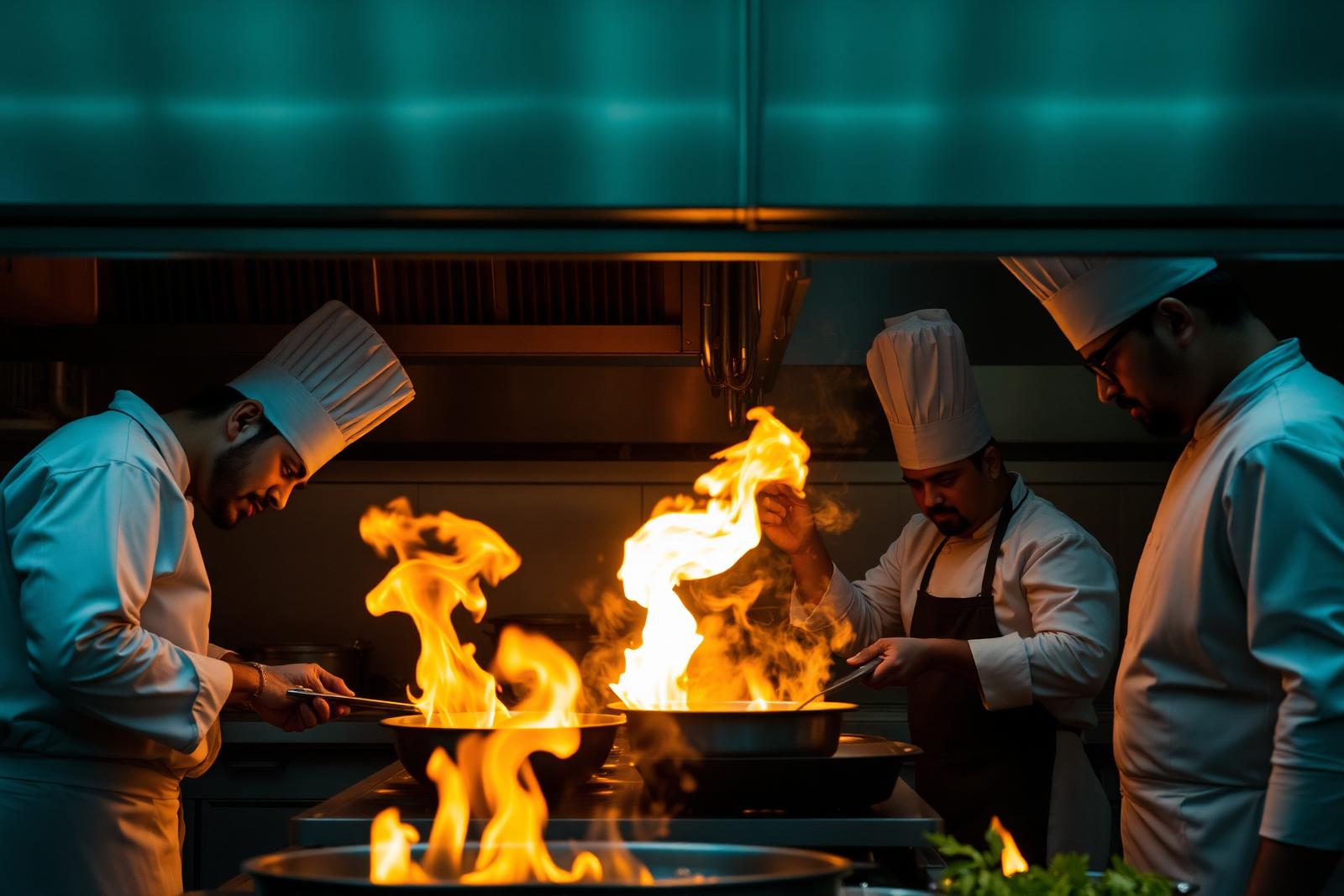
Online delivery should add revenue, not make a table in Jubilee Hills wait while ten app orders jump the pass. The conflict usually starts when every channel shares one queue, one menu and one promised preparation time. Hyderabad outlets need a deliberate operating system: fixed capacity by trading period, delivery-ready dishes, a separate handover point and a manager empowered to slow orders. The aim is not maximum order volume; it is dependable contribution without weakening the on-premise experience.
Set capacity by trading period
Map delivery capacity separately for lunch, evening and late night. A Madhapur café may handle app demand comfortably at 4 pm but struggle between 12.45 pm and 2 pm when office tables arrive together. Use the preparation-time and pause controls available in each merchant app instead of accepting every order. Base each limit on the slowest shared kitchen station, not total staff strength. Review Fridays, weekends and event nights separately because traffic patterns in HITEC City, Gachibowli and Financial District are not interchangeable.
- Set limits for each 15-minute block
- Extend preparation time before the rush
- Pause channels when the kitchen falls behind
- Reopen only after clearing the order rail
Build a delivery-specific menu
Do not place the complete dine-in menu online. Remove dishes that travel poorly, require last-minute table service or occupy a critical station for too long. For every listed item, calculate contribution in rupees after aggregator deductions, discounts funded by the outlet, GST treatment, packaging and expected wastage. A popular item can still be commercially weak. Standardise portions and packaging, then test each dish after a realistic ride from Banjara Hills to Kondapur rather than judging it immediately outside the kitchen.
Create separate queues and handovers
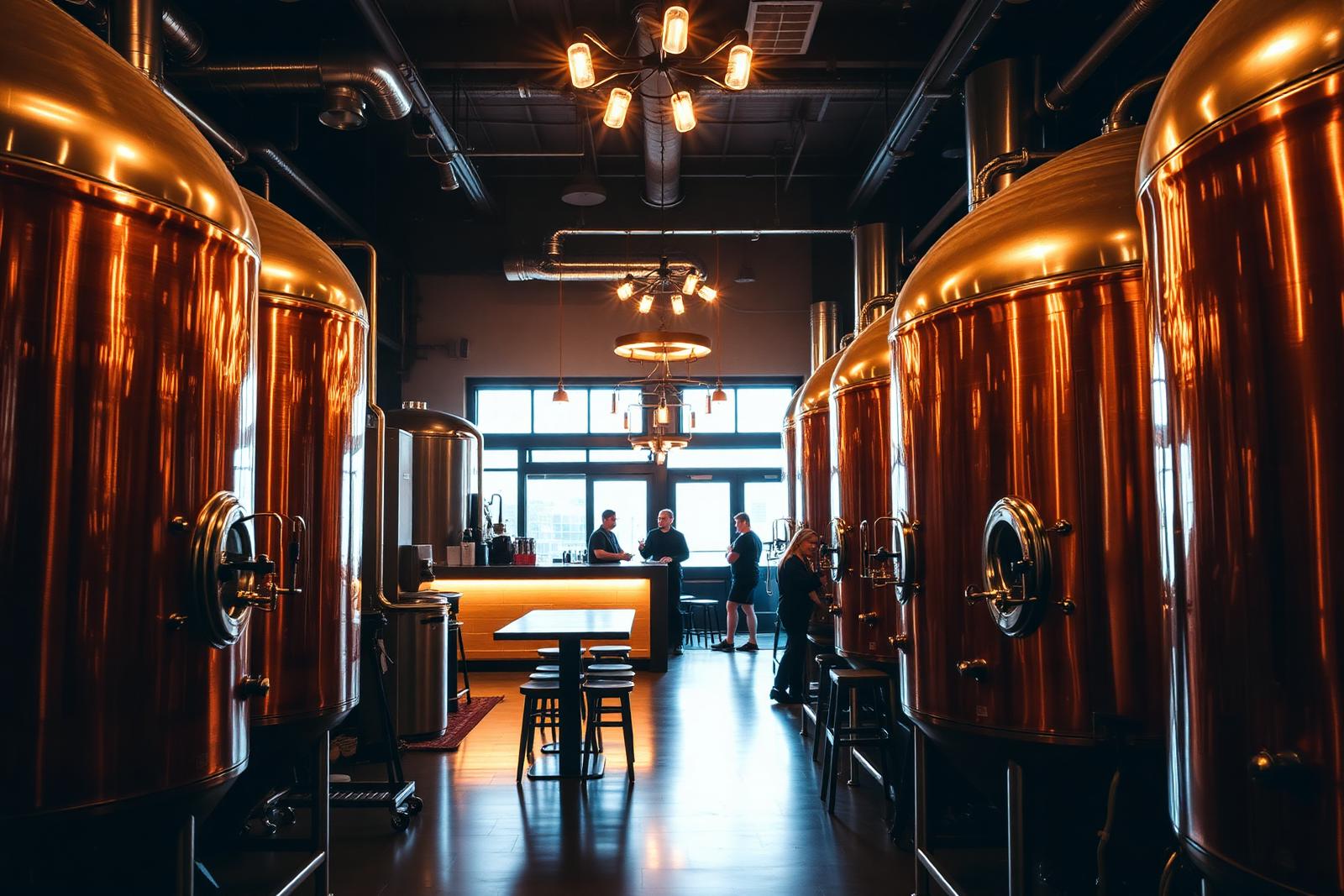
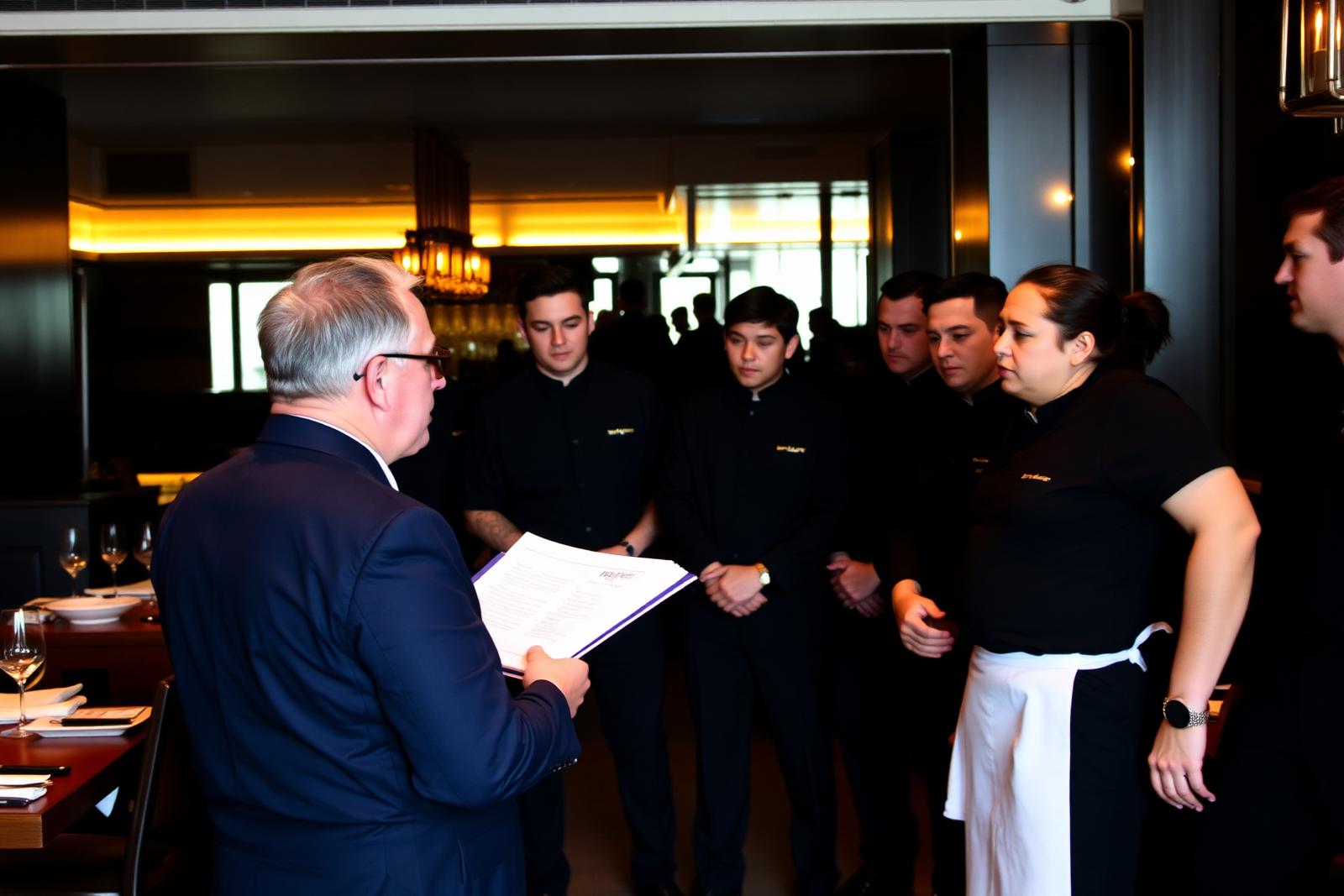
Delivery and dine-in tickets may enter the same kitchen, but they should not compete invisibly. Use separate ticket colours, kitchen display tags or clearly marked rails, with a manager deciding priorities when stations become overloaded. Protect reasonable dine-in pacing: starters, mains and drinks should still follow the guest’s sequence. Place the rider collection point away from the entrance, bar and host desk. This is especially important in compact Jubilee Hills cafés and busy brewery entrances where a rider queue can quickly affect arriving guests.
- Use a shelf labelled by order number
- Keep riders away from the service pass
- Assign one person to verify every bag
- Seal liquids and mark dietary requests clearly
Review settlements, complaints and channel value
Judge each aggregator weekly using completed orders, net settlement, preparation delays, cancellations, refunds, complaints and packaging failures. Reconcile the platform statement against the point-of-sale record and investigate unexplained deductions promptly. Compare channels by profitable contribution and operational disruption, not gross sales alone. Also tag complaints by cause: kitchen delay, rider wait, leakage, missing item or inaccurate menu description. If one locality, time slot or menu category repeatedly creates failures, reduce its radius, availability or order limit before spending more on discounts.
Key takeaway
Set delivery limits by time slot, list only travel-ready profitable dishes and separate rider handovers from guest service. Review net settlements and failure causes weekly before increasing order volume.
Need this handled?
Get single-window support for your outlet
Staffing, setup, procurement and operations — coordinated by one Hyderabad team.