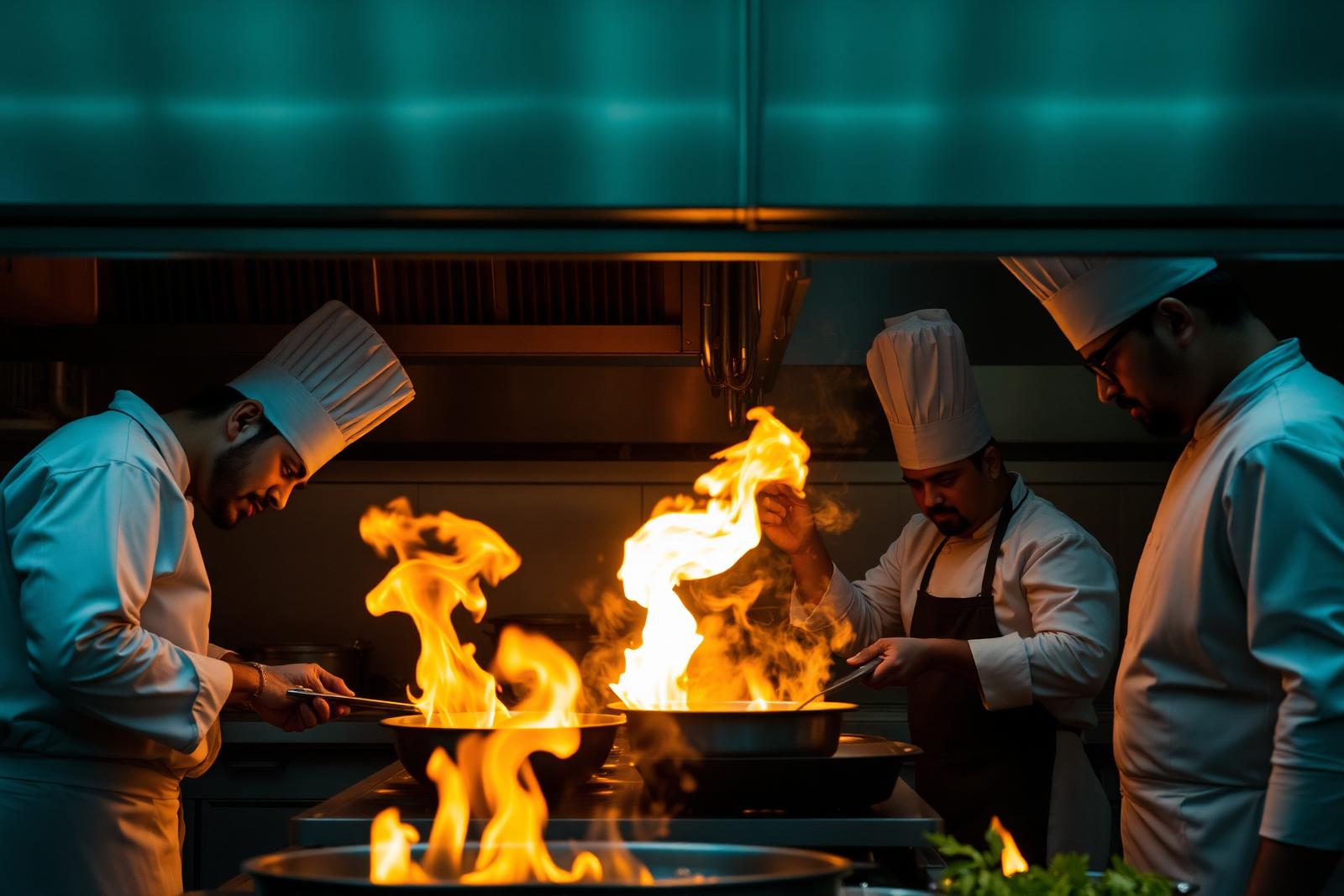
Online delivery should use spare kitchen capacity, not compete blindly with guests already seated. That distinction matters during lunch in HITEC City, Friday evenings in Jubilee Hills and late dinners around Gachibowli. Aggregator settings, menu design and dispatch routines must reflect what the kitchen can execute each half-hour. A controlled system protects preparation times, food quality and table service while retaining delivery revenue that genuinely contributes after commission, packaging and discount costs.
Set Capacity By Service Window
Do not leave every delivery channel fully open throughout the day. Map order capacity in 30-minute blocks using actual kitchen constraints: fryer space, tandoor load, beverage production and the number of cooks on each station. A Madhapur café may comfortably accept 18 lunch orders before noon, then need tighter limits once office orders and occupied tables arrive together. Set different preparation times and order caps for weekdays, weekends and known local peaks rather than relying on one permanent setting.
Nominate the manager on duty to pause items or channels before the kitchen becomes overloaded. The trigger should be operational, not emotional: pending tickets, longest-open ticket and station backlog are more useful than the number of riders waiting. Record each pause, its duration and its cause. After three weeks, this log will show whether the problem is staffing, an overextended menu, inaccurate aggregator preparation times or too many simultaneous promotions.
- Define order caps for each 30-minute window
- Set a maximum acceptable open-ticket count
- Pause the affected channel before all channels
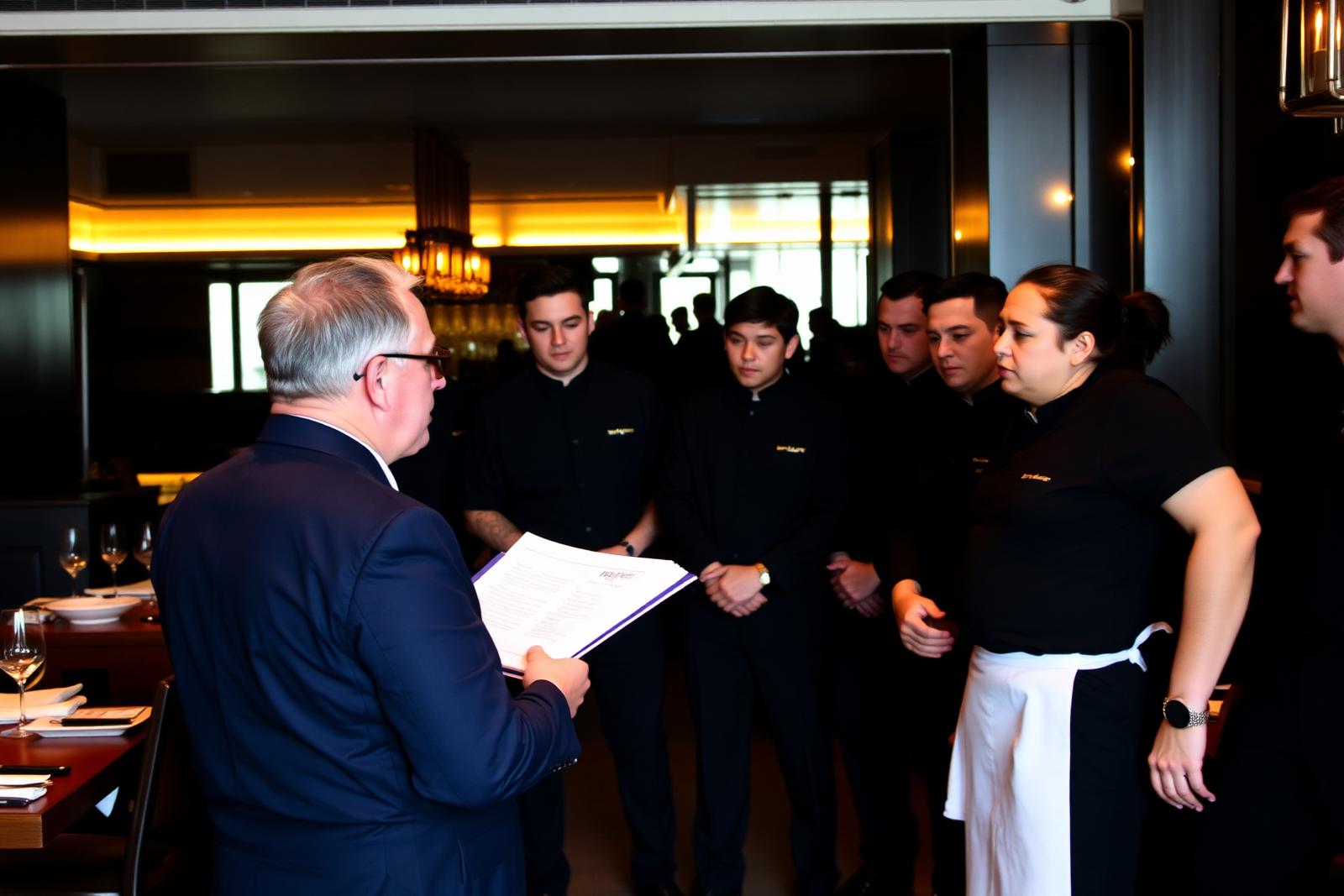
- Review every pause in the next shift briefing
Build A Delivery-Suitable Menu
The delivery menu need not mirror the dine-in menu. Remove dishes that lose texture quickly, require final table-side assembly or repeatedly delay a busy station. For outlets serving Financial District and Nanakramguda, journey time can vary sharply during office traffic, so test each item after 30 and 45 minutes in its actual packaging. Keep profitable, repeatable dishes available while reserving delicate plates, draught experiences and complex garnishes for dine-in guests.
Create delivery bundles around shared preparation rather than broad discounts. A rice bowl, side and sealed beverage may travel reliably and place less strain on the line than three unrelated à la carte items. Price after including aggregator commission, applicable taxes, packaging, discount contribution and expected wastage. If a ₹300 item produces an unacceptable contribution after these deductions, revise its price, portion or availability instead of expecting dine-in margins to subsidise it.
Keep Riders Outside Guest Flow
A rider queue beside the host desk immediately lowers the dine-in experience, even when food is leaving on time. Establish a clearly marked collection point near a side entrance, service corridor or counter edge, depending on the premises. In compact Banjara Hills and Kondapur outlets, use a shelf labelled by order number and keep completed bags behind staff control. Riders should not need to cross table sections, call into the kitchen or compete with guests waiting to be seated.
Assign one dispatch owner during peaks. That person verifies the platform order number, seals, accompaniments, beverages and handover time before releasing the bag. Kitchen staff should place completed components in a designated consolidation area rather than handing partial orders directly to riders. If the outlet lacks space for a permanent dispatch employee, rotate a trained steward or cashier into the role during defined delivery peaks and remove another minor duty from that person.
- Separate collection from the host and billing desks
- Use order numbers rather than customer names
- Check seals, beverages and accompaniments
- Record rider handover time consistently
Measure Channels Beyond Gross Sales
Review each aggregator weekly by contribution, cancellations, refunds, preparation time and operational disruption, not gross sales alone. Separate outlet-funded discounts from platform-funded offers and check whether promoted orders arrive during already-profitable dine-in periods. A campaign that adds volume at 8.30 pm on Saturday may be less valuable than one that fills a quiet Tuesday afternoon. Compare these results by locality because demand patterns in Jubilee Hills will differ from office-led ordering in HITEC City.
Also track dine-in signals during delivery peaks: greeting delays, table ticket times, missing accompaniments, beverage delays and guest complaints. If these worsen whenever delivery orders exceed a clear threshold, reduce aggregator capacity or simplify the menu for that window. The objective is not to maximise every available order. It is to accept the delivery volume that the existing team, equipment and layout can complete without transferring hidden costs to seated guests.
Key takeaway
Set delivery capacity by half-hour, restrict the menu to travel-safe profitable items and give dispatch a named owner. Judge success by contribution and dine-in service stability, not aggregator sales alone.
Need this handled?
Get single-window support for your outlet
Staffing, setup, procurement and operations — coordinated by one Hyderabad team.