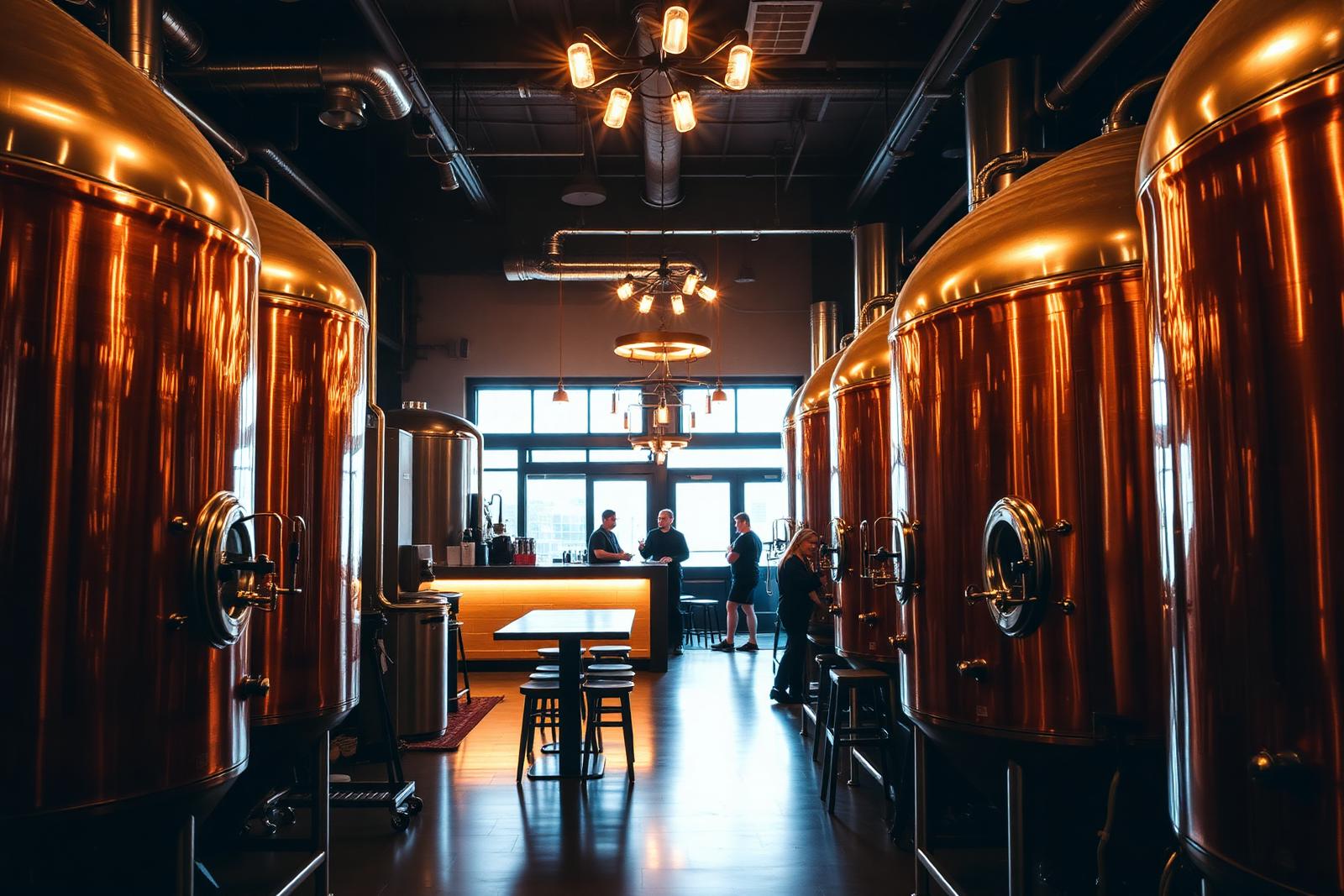
A higher taproom average bill should come from a better-managed visit, not aggressive upselling. In Hyderabad, brewery tables often include mixed drinking preferences, late arrivals and guests deciding between a quick round and dinner. Clear tasting guidance, timely food suggestions and disciplined service pacing can convert that uncertainty into appropriate orders. The standards below help teams improve spend per table while protecting guest comfort, service speed and responsible alcohol service.
Create a Guided First-Round Routine
The first five minutes shape the table’s spending pattern. Train servers to establish whether guests prefer light, malty, bitter or fruit-forward beer before recommending anything. A short, confident explanation is more useful than reciting every tap. Where permitted by the outlet’s policies and applicable regulations, offer a properly measured tasting flight as a decision tool. Guests can compare styles without committing immediately to a full serve they may not enjoy.
Standardise the first-round sequence so it works during busy evenings in Jubilee Hills, Madhapur or the Financial District. Water and menus should arrive promptly, followed by a preference question and one or two relevant recommendations. The server should then suggest either a regular serve, a smaller available measure or a tasting flight. This reduces indecision, prevents unsuitable orders and creates a natural opportunity to discuss food before the first beer reaches the table.
- Ask one clear flavour-preference question
- Recommend no more than two beers
- Explain available serving sizes accurately
- Introduce one suitable food pairing
Design Prompts Around Real Pairings
Generic instructions such as “push starters” usually produce awkward service. Instead, create a pairing matrix using the tap list and the dishes the kitchen can execute consistently. A wheat beer might suit a lighter fried appetiser, while a robust ale may work better with grilled meat or a richer vegetarian dish. Pairings must reflect the brewery’s actual recipes; servers should taste approved samples during training rather than memorising descriptions they cannot explain.
Menu language should also make the next decision easy. Place shareable dishes, substantial mains and non-alcoholic choices where guests can compare them without searching across several pages. State portion guidance honestly, particularly for groups in HITEC City or Gachibowli arriving after work. A server saying, “That platter is suitable for three alongside another starter” builds more trust—and often a stronger bill—than recommending several dishes without considering table size.
Control Pacing Without Rushing Guests
The second order is commonly lost through poor observation. Servers should check the table when glasses are roughly one-third full, not after they are empty and guests have started looking for assistance. The check-back should cover beer, food progress and water together. If a guest wants another drink, the order can be placed without interrupting conversation. If not, the server can offer a food course, dessert or non-alcoholic option without applying pressure.
Pacing must account for late joiners, especially at office gatherings from Kondapur, Nanakramguda and the Financial District. Record seat-level orders where the point-of-sale system allows, and confirm whether new arrivals are joining the existing round. Never use average-bill targets to encourage rapid alcohol consumption. Managers must reinforce age verification, measured pours, refusal-of-service procedures and safe transport guidance as non-negotiable standards.
- Check back before glasses become empty
- Keep drinking water visible and replenished
- Track late joiners by seat
- Pause service when intoxication signs appear
Measure Behaviours, Not Just Revenue
Review average bill alongside operational indicators that explain it. Useful measures include food attachment to beer orders, tasting-flight conversion, second-round ordering, dessert or non-alcoholic beverage attachment, voids and guest complaints. Compare similar shifts rather than treating a Saturday evening in Banjara Hills like a Tuesday afternoon. Also separate per-cover spend from total table value, because large groups can make weak service appear commercially successful.
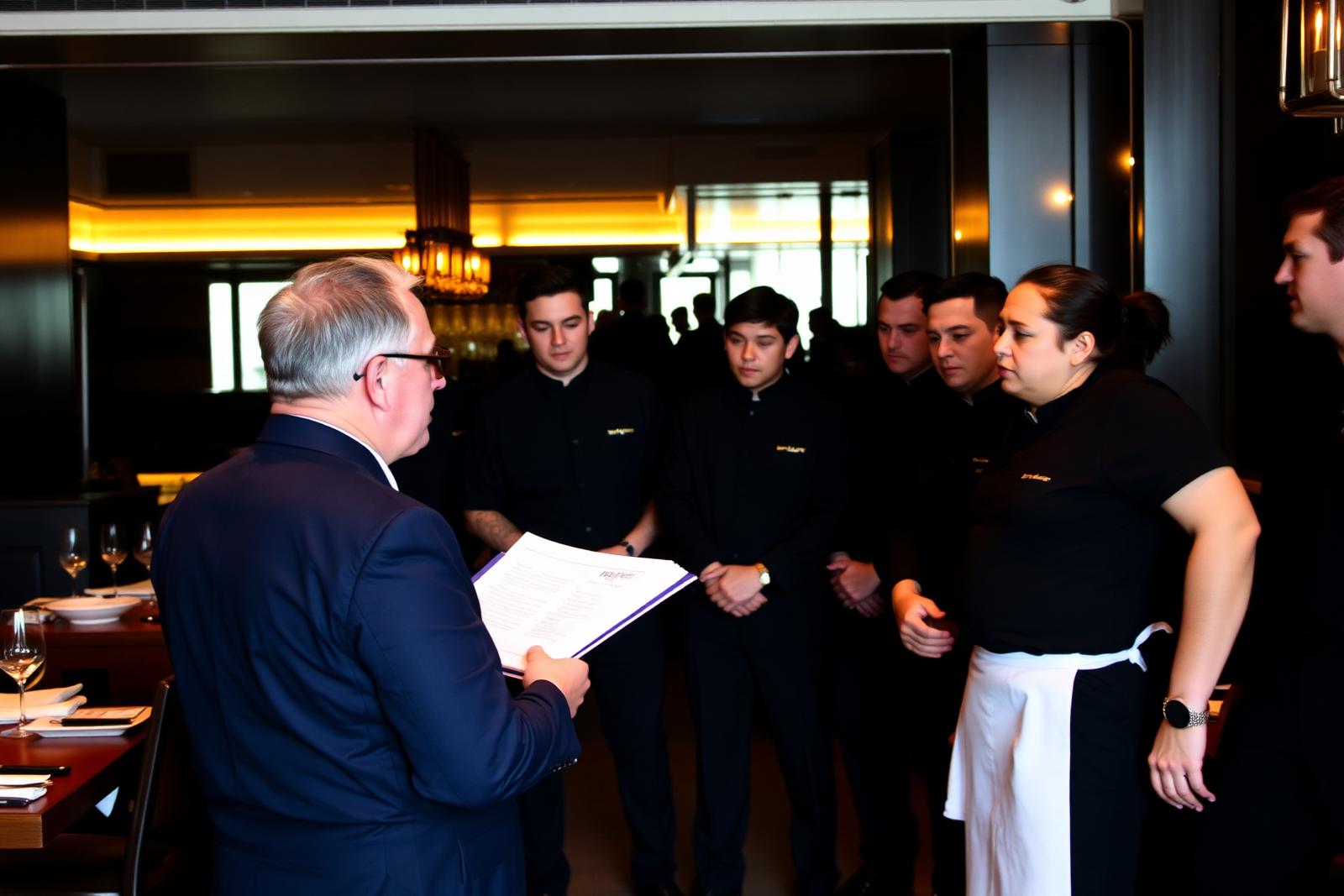
Use pre-shift briefings to select one behaviour for the team to practise, such as introducing food before the first round or checking back at the correct moment. Managers should observe a few tables and give specific feedback after service. Avoid public leaderboards based only on alcohol sales; they can encourage unsuitable recommendations. Reward accurate product knowledge, responsible judgement, order accuracy and well-paced tables—the behaviours that produce sustainable bill growth and repeat visits.
Key takeaway
Standardise the first recommendation, food pairing and second-order check-back, then measure whether those behaviours improve per-cover spend. Keep responsible service and guest comfort ahead of alcohol-sales targets.
Need this handled?
Get single-window support for your outlet
Staffing, setup, procurement and operations — coordinated by one Hyderabad team.