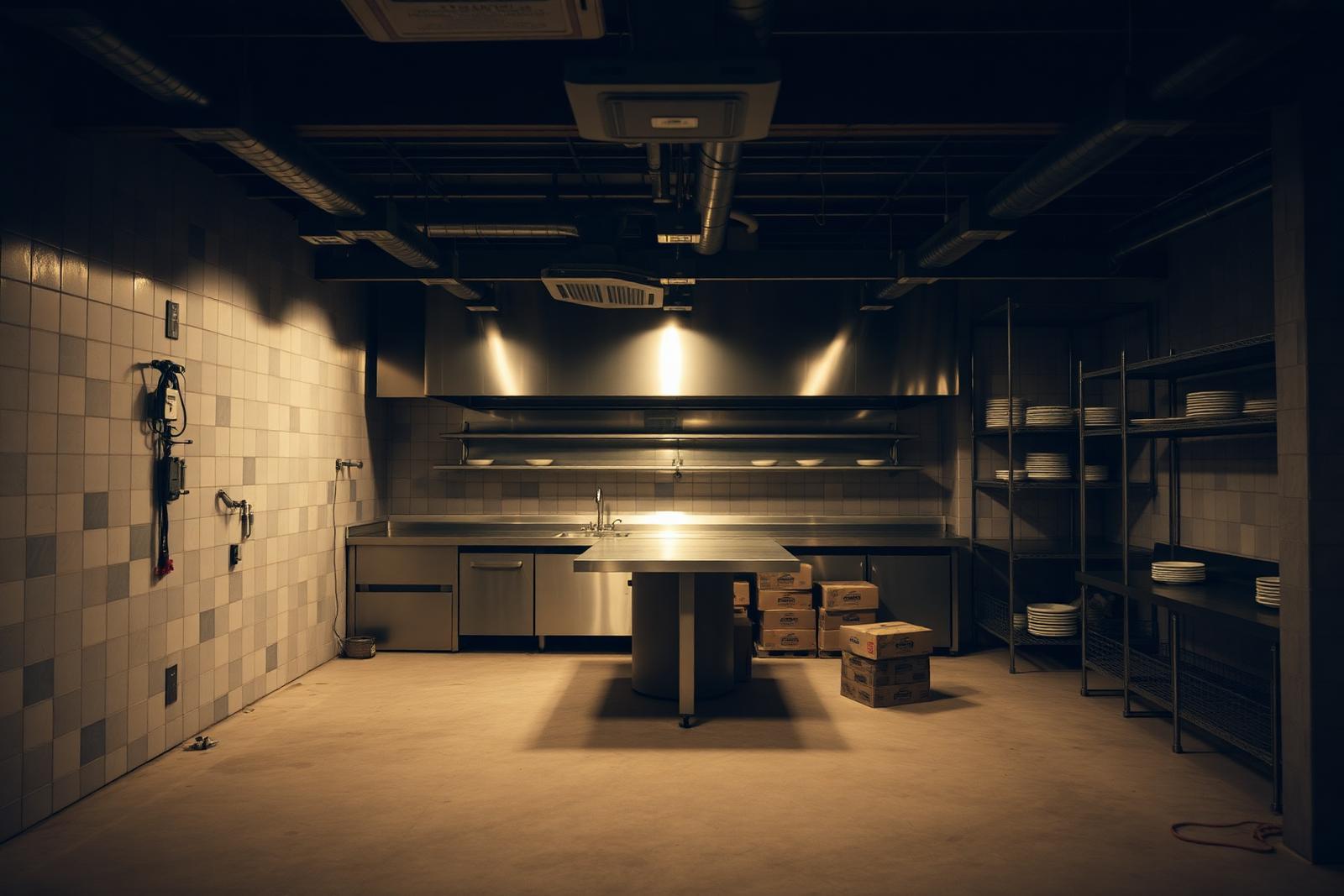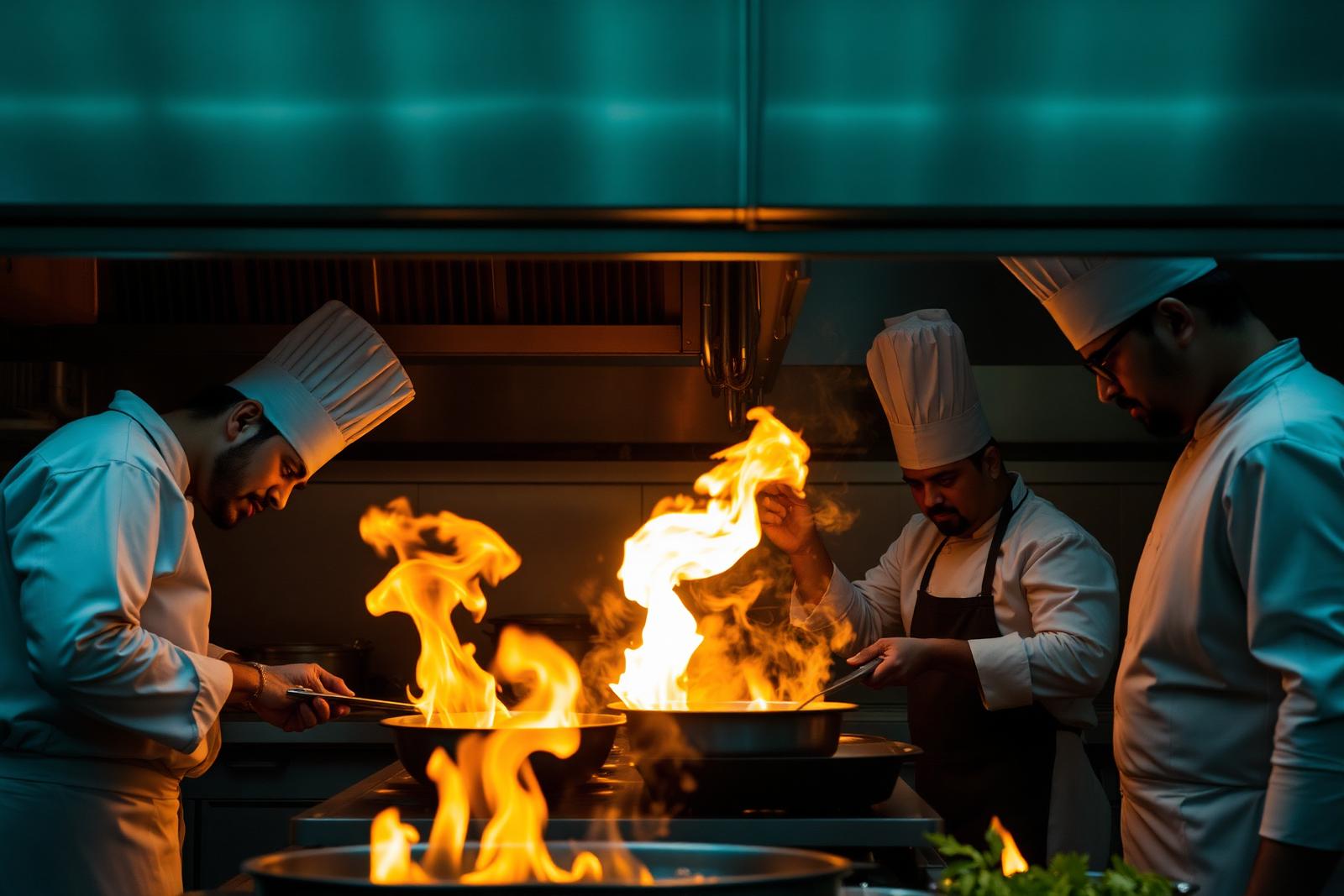
A bakery opening is not simply a café launch with ovens added. Production starts hours before service, skilled roles are harder to substitute, and several approvals depend on the premises, fuel and selling format. In Hyderabad, a site that looks suitable in Jubilee Hills or Kondapur may still fail on exhaust, power or loading access. The safest approach is to sequence people, permits and production trials together, rather than treating them as separate pre-opening workstreams.
Build the production team first
Hire the person who will control production before finalising equipment and menu volume. A head baker or production lead should review oven capacity, batch sizes, fermentation space, refrigeration and the proposed shift pattern. Recruit against the actual range: laminated pastry needs different skill and timing from celebration cakes or high-volume breads. One versatile baker should not be expected to manage every category while also receiving stock, recording wastage and supervising hygiene.
Map every item to an owner, a backup and a production window. Hyderabad breakfast demand around HITEC City and Gachibowli can require baking and dispatch before normal public transport becomes reliable, so confirm how early-shift employees will travel. Budget separately for night allowances or arranged transport where necessary. Front-of-house staff must also learn allergen communication, shelf-life rules and product handling; attractive display counters do not compensate for incorrect storage or careless replenishment.
- Production lead or head baker
- Bread and viennoiserie baker
- Pastry or cake specialist
- Commis and utility staff
- Counter, packing and dispatch staff
Sequence licences around the premises
Do not wait for fit-out completion to begin approvals. Establish the operating entity, obtain the appropriate FSSAI registration or licence, and check the GHMC trade licence requirements for the exact activity and address. Shops and Establishments registration, GST registration where applicable, professional tax and employee-related registrations should be reviewed with qualified advisers. If packaged products carry your label, confirm Legal Metrology declarations, including weight, price, dates, ingredients and manufacturer details.
Fire requirements depend on the building, occupancy and local authority conditions; never rely only on a landlord’s assurance that the property is commercial. Confirm whether the intended ovens, LPG installation, electrical load, exhaust route and seating alter existing approvals. A bakery using solid fuel or conducting larger-scale production may face additional pollution-control considerations. Before paying a non-refundable deposit in Madhapur, Financial District or Nanakramguda, obtain written clarity on permitted use and utility modifications.
- FSSAI approval for the business format
- GHMC trade licence for the premises
- Fire compliance applicable to the property
- Employment and tax registrations
- Packaged-food labelling compliance
Test utilities under a full load
Equipment schedules should show connected electrical load, phase requirements, LPG consumption, water demand and heat output, not merely machine dimensions. Run the deck oven, convection oven, prover, planetary mixer, refrigeration and air-conditioning together during testing. Voltage fluctuation or an undersized sanctioned load can interrupt batches and damage controls. Provide separate circuits, accessible isolation points and preventive-maintenance contacts. Exhaust must remove heat without sending odour or hot air towards neighbouring flats or shared corridors.
Plan movement from receiving to dry storage, weighing, mixing, proofing, baking, cooling, finishing, display and dispatch. Raw and finished products should not repeatedly cross paths. Cooling racks need protected space; placing hot trays beside an air-conditioned service counter is not a production plan. Check drainage gradients, washable surfaces, pest-entry points and flour-dust cleaning. In compact Banjara Hills properties, sacrificing one display unit may be wiser than leaving no safe cooling or packing area.
Rehearse three production days
Run at least three controlled trial days using the intended roster and suppliers. The first should establish recipes, yields and equipment settings. The second should test forecast quantities, packaging and handovers. The third should simulate opening hours, including counter replenishment, delivery orders and end-of-day closing. Record dough temperature, proofing time, bake loss, finished yield, rejection reasons and unsold stock. These figures are more useful for opening orders than estimates copied from recipe sheets.
Keep the opening menu narrower than the eventual range. Set minimum and maximum display quantities by trading period, particularly if the outlet serves office demand in HITEC City or weekend traffic in Jubilee Hills. Agree cut-off times for additional batches and rules for marking down, repurposing or discarding products. Before opening, confirm two approved sources for critical ingredients such as butter, cream, chocolate and speciality flour, but test each substitute in the recipe rather than assuming equivalent performance.
- Verify every recipe yield
- Time each batch and changeover
- Test labels and delivery packaging
- Log rejects and unsold stock
- Approve ingredient substitutions
Key takeaway
Appoint the production lead early, verify premises-dependent approvals before committing to fit-out, and rehearse the complete bakery workflow under realistic load. Open only when utilities, yields, staffing and stock rules work together.
Need this handled?
Get single-window support for your outlet
Staffing, setup, procurement and operations — coordinated by one Hyderabad team.