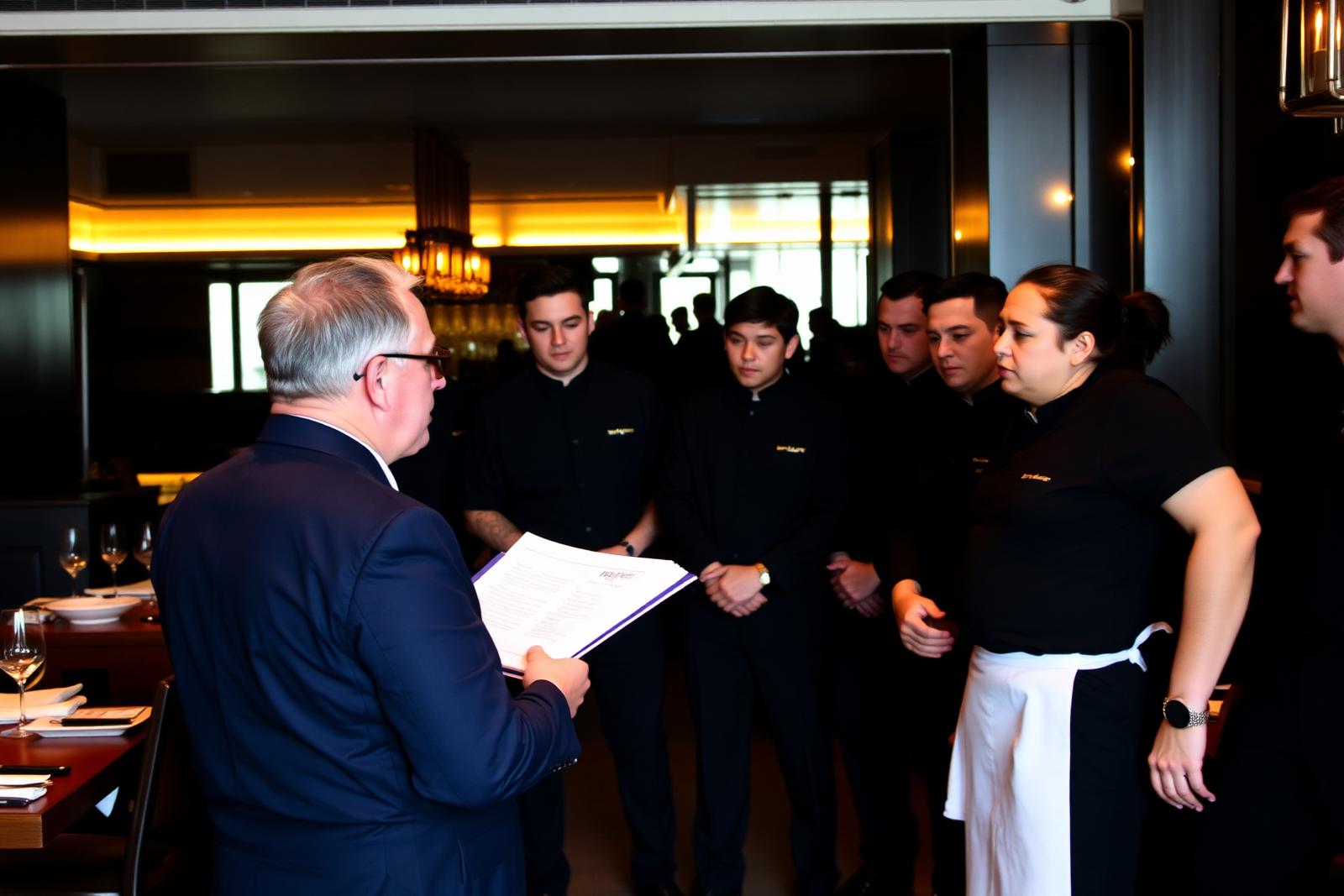
Festival demand does not only increase covers; it also makes staff availability less predictable. Employees may request leave, travel home or face longer commutes during Dussehra, Diwali, Christmas and New Year periods. Hyderabad outlets need more than a list of casual workers saved on a manager’s phone. A useful standby bench is a verified, trained and location-aware group that can join a shift quickly without lowering service, safety or cash-control standards.
Forecast gaps before recruiting backups
Start eight to ten weeks before your expected peak by marking festival dates, corporate party periods and likely leave requests. Review the previous season’s attendance and sales by daypart, but do not simply copy last year’s roster. A café in Kondapur may need additional baristas during office hours, while a Jubilee Hills restaurant or brewery may require more stewards, bartenders and kitchen hands during late-evening service.
Build the bench around specific shift gaps rather than a general headcount. Record the role, station, shift timing, required experience and reporting manager for each likely vacancy. Separate essential positions, such as cashier, line cook or bartender, from trainable support positions. This prevents managers from calling an available steward for a role involving billing access, alcohol service or equipment they have never handled.
Create a verified readiness list
Treat standby workers as pre-cleared team members, not emergency walk-ins. Check identity, address, previous employment, role experience and two reachable references before adding anyone to the bench. Collect bank and emergency-contact details through the same secure process used for regular employees. For food handlers, confirm grooming, hygiene knowledge and any health documentation required by the outlet’s own food-safety procedures.
Classify candidates by both skill and activation status. Someone who attended an interview three months ago but has not reconfirmed availability is not shift-ready. Maintain a shared sheet or staffing system with the last contact date, preferred localities, transport constraints, uniform size and stations already tested. Useful status labels include:
- Ready: verified, trained and recently confirmed
- Conditional: available only for stated shifts
- Training required: verified but not station-tested
- Inactive: unavailable or repeatedly unresponsive
Test people in the actual outlet
A short paid trial during a normal service period reveals more than an interview. Place each person at the station they may cover and assess punctuality, ticket reading, order communication, hygiene and response to supervision. Baristas should demonstrate the outlet’s core drinks; stewards should use its table numbers and billing flow; kitchen backups should follow its recipe cards, storage labels and allergen controls.
Give successful candidates a compact induction pack containing the outlet location, reporting time, dress code, manager’s number, break rules and shift-closing responsibilities. For multi-outlet businesses, do not assume training at Madhapur transfers automatically to Banjara Hills. Menu, equipment and POS permissions can differ. Record exactly where each person has completed induction, then restrict initial deployment to those outlets or to closely matched stations.
Use a disciplined activation ladder
Confirm availability in stages: once when the bench is formed, again one week before the festival period, and finally before assigning a shift. Publish the reporting deadline and cancellation process in writing. Keep primary and reserve names for critical stations, but avoid promising the same shift to several people. Frequent last-minute cancellation by management will make dependable workers stop accepting standby requests.
Group candidates by travel corridor where possible. A worker based near Gachibowli or Nanakramguda is more likely to reach Financial District reliably than someone crossing the city during peak traffic. Provide clear payment terms, attendance records and a named supervisor for queries. After every deployment, score only observable factors and update the bench:
- Arrival and uniform readiness
- Station competence and service pace
- Hygiene and cash-control compliance
- Communication and future availability
Protect the regular team
A standby bench should reduce pressure, not become a cheaper parallel workforce. Retain weekly offs, lawful working hours and proper break arrangements for permanent staff even during busy periods. Avoid using untrained backups to justify unsafe station loads. Where a temporary worker needs constant supervision, count that supervision time when deciding whether the deployment genuinely adds capacity.
Review performance immediately after each festival weekend. Remove people who repeatedly fail to report, identify strong workers for future vacancies and note stations where training was insufficient. Managers should also record why each backup was needed: approved leave, sickness, demand uplift or roster error. That distinction helps the next festival plan address the real problem instead of continuously expanding an unfocused contact list.
Key takeaway
Build the bench around named shifts and stations, then verify, train and reconfirm every candidate before peak week. A smaller list of outlet-tested people is more dependable than a large collection of unverified phone numbers.
Need this handled?
Get single-window support for your outlet
Staffing, setup, procurement and operations — coordinated by one Hyderabad team.